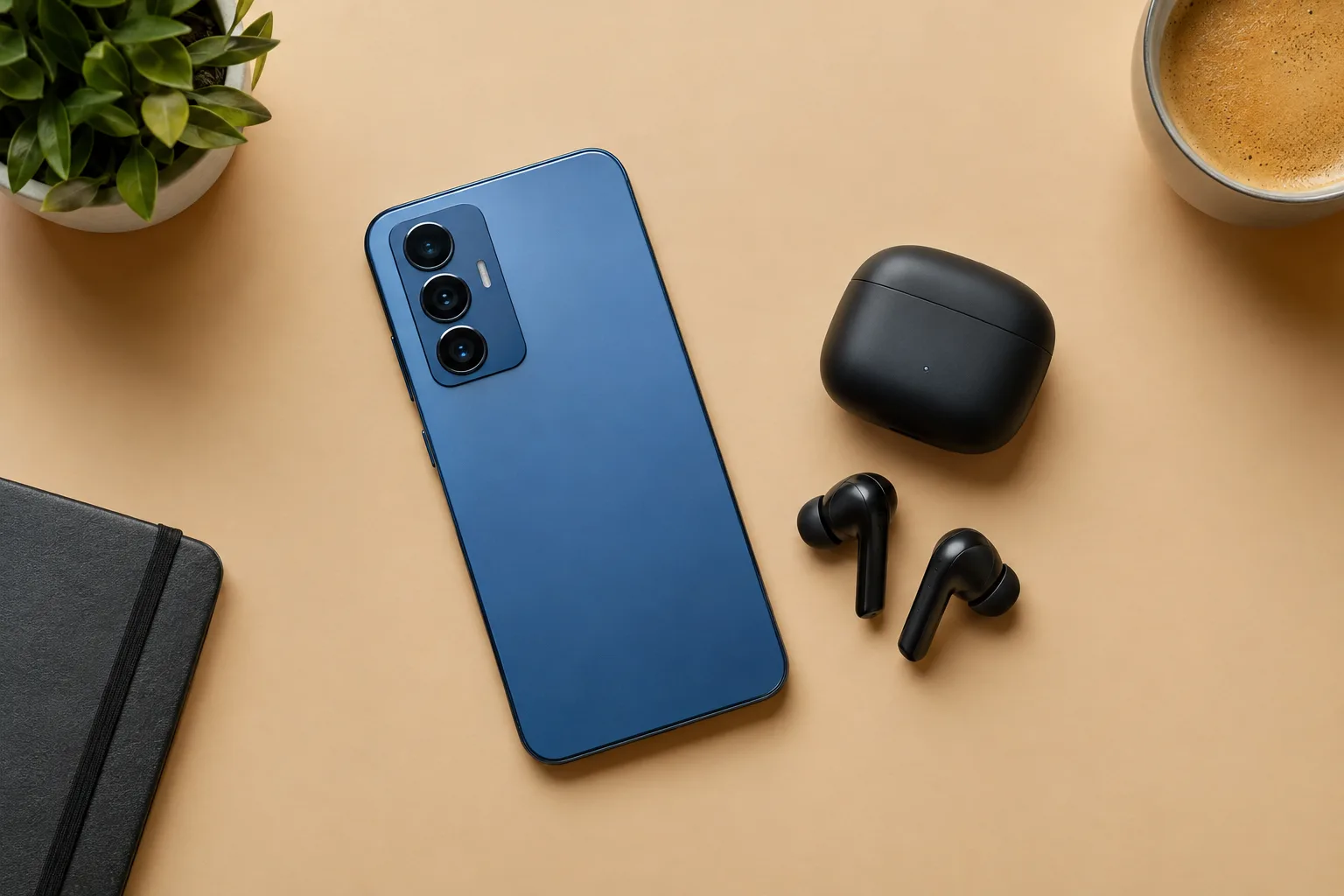

Choosing a phone by camera quality and battery life is more useful than comparing brand names or megapixel counts. In late autumn 2026, your smartphone may need to photograph colourful landscapes, children, pets, Christmas lights and family gatherings while also surviving cold walks, navigation and long travel days.
The best choice depends on how you actually use your phone. A photography enthusiast may need a versatile camera system and fast storage, while another person may prefer a reliable main camera, efficient processor and battery that lasts from breakfast until bedtime. This guide explains what to check before buying, especially during Black Friday, Cyber Monday and the Christmas shopping season.
Start With Your Real Shooting and Charging Habits
Before comparing technical specifications, think about the photos you take most often. Autumn creates excellent opportunities for landscape photography, but colourful leaves and cloudy skies also reveal whether a camera handles contrast and muted light well. If you photograph children or pets, autofocus speed and motion processing are usually more important than extreme resolution.
Indoor Christmas gatherings create another challenge. Warm lamps, candles and Christmas lights can make faces look too orange, while dim rooms can produce blur and noise. A phone with good automatic processing may deliver better family photos than a model with more megapixels but weaker low-light software.
Consider how often you record video. Short clips for social media require less storage than long 4K recordings, family events or travel footage. High-resolution video can consume battery quickly, especially when stabilisation, 5G uploads and a bright display are used at the same time.
Your charging routine matters just as much. Someone who works near a charger may be satisfied with a phone that needs an evening top-up. Commuters, students, delivery workers and travellers should prioritise dependable full-day endurance. If you often spend time outdoors, remember that cold weather can temporarily reduce battery performance.
Also consider the size and weight of the phone. A large device may offer a bigger battery and easier photo previews, but a compact phone can be more comfortable for one-handed shooting and everyday carrying. For more advice about dimensions, performance and price, read our guide on how to choose a new smartphone by size, performance and price.
How to Compare Camera Quality Beyond Megapixels
Megapixels describe image resolution, not overall image quality. A 50-megapixel camera can produce disappointing photos if its sensor is small, its lens is weak or its image processing creates unnatural detail. In many situations, a well-tuned 12-megapixel or 24-megapixel camera can produce more attractive results.
Sensor size is one of the most important factors. A larger sensor can capture more light and usually creates cleaner images in darker conditions. It may also produce a natural background blur without relying entirely on portrait software. However, sensor size should be considered together with lens quality and processing.
Lens versatility is also important. A phone with a strong main camera may be enough for everyday photos, but an ultrawide lens is useful for architecture, landscapes and group pictures. A telephoto camera helps with portraits, concerts, pets and distant subjects. Avoid assuming that a high digital zoom number is equivalent to a real optical telephoto lens.
Optical image stabilisation, or OIS, helps reduce blur caused by hand movement. It is particularly valuable for evening photos, indoor gatherings and handheld video. Electronic stabilisation can improve walking footage, but it may crop the image and cannot fully replace good optics.
Autofocus performance deserves practical testing. A camera should lock quickly on faces, eyes and moving subjects without hunting back and forth. This is vital when photographing a child opening a Christmas present or a dog running through fallen leaves. Face and eye detection should work reliably in both daylight and indoor lighting.
High Dynamic Range, or HDR, helps preserve detail in bright skies and dark foregrounds. Good HDR should make a scene look balanced, not artificial. Compare photos of windows, sunsets and Christmas lights to see whether the phone keeps highlights under control without making shadows look grey or overly bright.
Portrait mode can be useful, but inspect the edges around hair, glasses, fingers and clothing. Software blur that cuts through a person’s hair or incorrectly blurs the background can make an expensive phone look less impressive. Skin tones should remain natural across different lighting conditions.
For video, check maximum resolution, frame rates, stabilisation, microphone quality and exposure changes. A phone may record excellent daylight video but struggle with flickering indoor lights or noisy audio. If you record family events, consistent focus and natural sound are often more valuable than a headline 8K mode.
Camera Features That Matter in Autumn and Winter
Shorter daylight hours make low-light performance especially important from November through February. Night mode can combine several exposures to brighten a scene, but it works best when the subject remains still. If you photograph moving people, a fast lens, capable sensor and quick shutter response may matter more than a dramatic night mode.
Cloudy autumn weather is another useful test. Flat light can make colours look dull, so compare whether the phone preserves texture in leaves, stone buildings and wet streets. Watch for excessive sharpening around branches and artificial saturation that makes red and orange leaves look unrealistic.
Christmas lighting tests a phone in difficult conditions. Small bright bulbs, candles and reflective decorations can confuse exposure systems. A good camera should retain colour and detail without turning every light into a large white blob. It should also produce natural skin tones when people stand near warm decorative lights.
Telephoto reach can be helpful during winter markets, school events and family celebrations. Optical or high-quality sensor-cropped zoom generally gives better results than extreme digital magnification. Try taking a portrait from several metres away and inspect hair, fabric and facial detail rather than judging only the preview screen.
Cold conditions deserve attention as well. Batteries can lose usable capacity when temperatures drop, and touchscreens may respond less comfortably when you wear gloves. A waterproof rating adds protection from rain and wet snow, but it does not make a phone invulnerable to moisture, impact or condensation.
When travelling for Christmas, keep the phone warm in an inside pocket and avoid charging it immediately after bringing it indoors from freezing temperatures. Condensation can form inside or around ports. Our guide on preparing your smartphone for winter explains how to protect the battery, screen and device.
How to Judge Battery Life in Real-World Use
Battery capacity, measured in milliamp-hours, is only one part of the story. A large battery can still drain quickly if the processor is inefficient, the display is very bright or the phone uses a demanding high-refresh-rate mode. Compare capacity with independent battery tests and real owners’ reports.
The display often has a major effect on endurance. A 120Hz screen feels smooth when scrolling, but it may consume more power than a 60Hz or adaptive display. Adaptive refresh technology can reduce consumption when a high refresh rate is unnecessary. Brightness, screen size and resolution also influence battery life.
Processor efficiency is especially important during photography, video recording and gaming. Modern chips can provide excellent performance while controlling heat, but sustained camera recording may still drain the battery quickly. 5G can also consume more power in areas with weak coverage because the phone works harder to maintain a connection.
Navigation, streaming, hotspot use and cloud photo backups are common battery drains. A phone that lasts two days in a light laboratory test may last only one busy day during Christmas travel. Test scenarios should include outdoor brightness, mobile data, GPS, camera use and regular messaging rather than only passive video playback.
Standby drain is easy to overlook. A phone that loses a large percentage overnight may have an app, a poor network connection or a software problem consuming power in the background. Reliable background management is valuable for people who want their phone ready for an early trip or a full day at a Christmas market.
Charging speed can make a smaller battery practical. A short charge during breakfast or a coffee break may provide several useful hours. Check whether the advertised charging speed requires a compatible charger and cable, and whether the charger is included. Fast charging can also create heat, which may affect long-term battery health if used constantly in hot conditions.
Wireless charging is convenient at a desk or bedside table, but it is usually slower and less efficient than wired charging. It may also produce more heat. Choose it for convenience rather than assuming it automatically improves battery life.
Want to compare the wider set of features that affect a phone purchase in 2026?
A Practical Phone-Selection Checklist and Testing Method
Start by creating a shortlist of three to five phones in your budget. Check each model’s main sensor, ultrawide and telephoto options, stabilisation, autofocus and video capabilities. Then look for independent camera samples taken in daylight, cloudy weather, indoor lighting and at night.
Do not judge samples only on a bright shop display. Download full-resolution images when possible and inspect faces, hair, leaves, signs and shadow areas. Compare colour consistency between the main and ultrawide cameras. A large difference in colour or exposure can be frustrating when creating a photo series.
For battery testing, use independent reviews that measure web browsing, video playback, gaming and mixed daily use. A phone with a slightly smaller battery may outperform a larger model because its processor and display are more efficient. Also check charging time from zero to 50 percent and from zero to full charge.
Software support affects the phone’s useful lifespan. Longer security updates and operating system support can make a more expensive model better value over several years. Camera processing can also improve through updates, although you should buy based on current performance rather than relying on future promises.
Repairability and total ownership cost should be part of the calculation. Screen replacement, battery replacement, storage capacity and the availability of official repairs can change the real price. More storage is useful if you record video, but cloud subscriptions and accessories can add recurring costs.
Before buying, hold the phone if possible. Check whether the camera bump feels stable, whether the shutter button is easy to reach and whether the device is comfortable during one-handed use. Look at the screen outdoors and test the fingerprint reader or face unlock. Small daily annoyances often matter more than a specification difference.
Finally, simulate your busiest day. Imagine photographing an autumn walk, using navigation, making calls, recording several video clips, uploading photos, browsing online and attending an evening gathering. The right phone should finish that day with enough reserve for an emergency, not just reach zero at bedtime.
Verdict: Choose Balance Over Impressive Specifications
The best phone for photography and battery life is not automatically the model with the highest megapixel count or the largest battery. Look for a balanced camera system with a capable main sensor, dependable autofocus, stabilisation, natural HDR and useful low-light performance. Then combine it with an efficient processor, adaptive display and charging system that fits your routine.
For autumn and Christmas use, prioritise moving-subject performance, indoor skin tones, night photography, telephoto quality and cold-weather practicality. Compare independent tests, inspect real camera samples and calculate the total cost over several years. A balanced phone that consistently captures good photos and lasts through a full day will usually provide more value than a specification-heavy model with obvious weaknesses.