Fitbit by Google has officially unveiled the highly anticipated Fitbit Air, introducing a bold new direction in wearable technology. Unlike traditional smartwatches filled with notifications, apps, and bright displays, the Fitbit Air takes a radically minimalist approach with a completely screenless design focused entirely on health tracking.
Positioned as a direct competitor to Whoop, the Fitbit Air aims to deliver continuous wellness insights without digital distractions. The wearable offers advanced health monitoring features including:
- 24/7 heart rate tracking
- AFib alerts
- Blood oxygen monitoring
- Sleep analysis
- Workout detection
- Heart rate variability tracking
Starting at just $99.99, the Fitbit Air could significantly disrupt the fitness wearable market by making passive health tracking more affordable and accessible.
But is a screenless wearable really the future?
In this comprehensive guide, we’ll break down:
- Fitbit Air price and specifications
- Features and performance
- How it compares to competitors
- Who should buy it
- Why screenless wearables are trending
- Potential drawbacks users should know
What Is the Fitbit Air?
The Fitbit Air is Google’s newest health-focused wearable under the Fitbit brand.
Unlike traditional smartwatches such as the Apple Watch Series 10 or Samsung Galaxy Watch, Fitbit Air removes the screen entirely.
Instead, the device focuses on:
- Passive wellness tracking
- Minimalist wearable design
- Long battery life
- Reduced digital distraction
All health insights are viewed through the connected Google Health app.
Fitbit Air Price and Availability
Standard Fitbit Air
- Price: $99.99
- Approximate India Price: Rs. 9,400
Fitbit Air Special Edition
- Price: $129.99
- Approximate India Price: Rs. 12,300
The wearable is currently available for pre-order globally and officially goes on sale beginning May 26.
Buyers also receive:
- 3-month Google Health Premium trial
- Access to Google Health Coach
The Screenless Design: Why It Matters
The biggest talking point is undoubtedly the absence of a display.
Why Did Google Remove the Screen?
Google says users increasingly want:
- Less distraction
- Better sleep
- Reduced screen time
- Simpler wellness tracking
The “pebble” style wearable is designed for:
- Continuous wear
- Comfort during sleep
- Lightweight fitness tracking
This approach mirrors the philosophy behind devices like Whoop, which prioritize analytics over notifications.
Why Screenless Wearables Are Becoming Popular
The wearable industry is shifting.
Many users now feel overwhelmed by:
- Constant notifications
- Smartwatch fatigue
- Battery anxiety
- Digital overload
Screenless devices solve several problems:
| Problem | Screenless Solution |
|---|---|
| Notification overload | No distractions |
| Poor battery life | Longer usage |
| Sleep discomfort | Lightweight design |
| Constant checking | Passive tracking |
This growing “digital wellness” trend is becoming a major movement in consumer technology.
Fitbit Air Specifications and Features
1. 24/7 Heart Rate Monitoring
The Fitbit Air continuously tracks heart rate throughout the day and night.
Benefits Include:
- Better workout insights
- Stress monitoring
- Recovery analysis
- Cardiovascular awareness
2. AFib Detection and Heart Rhythm Monitoring
One of the standout features is AFib monitoring.
What Is AFib?
Atrial Fibrillation (AFib) is an irregular heartbeat condition that may increase stroke risk.
The Fitbit Air can reportedly:
- Detect irregular rhythms
- Send alerts
- Encourage medical consultation
This feature brings medical-grade wellness tools closer to mainstream consumers.
3. Blood Oxygen (SpO2) Tracking
The wearable also supports:
- Blood oxygen monitoring
- Sleep oxygen analysis
This helps users better understand:
- Sleep quality
- Recovery patterns
- Breathing irregularities
4. Sleep Tracking and Sleep Stage Analysis
Google is heavily emphasizing sleep optimization.
Fitbit Air Tracks:
- Sleep duration
- Deep sleep
- REM sleep
- Sleep interruptions
Combined with Google Health Coach, users receive personalized sleep recommendations.
Google Health Integration: A Major Advantage
The Fitbit Air is deeply integrated with:
- Google Health app
- Google Health Coach
This creates a more personalized ecosystem.
Key AI-Based Features
Personalized Wellness Insights
Users receive recommendations based on:
- Activity trends
- Sleep patterns
- Recovery data
Guided Workouts
The platform offers:
- Fitness routines
- Recovery guidance
- Coaching suggestions
Automatic Workout Detection
The Fitbit Air automatically detects:
- Running
- Walking
- Cycling
- General activity
This passive tracking makes fitness monitoring seamless.
Users can also manually log workouts for greater control.
Battery Life Could Be a Huge Selling Point
One of the strongest advantages is battery performance.
Claimed Battery Specs:
- Up to 1 week battery life
- 5-minute fast charge = 1 full day use
Compared to smartwatches requiring daily charging, this is a major convenience.
Did You Know?
Battery anxiety is one of the top complaints among smartwatch users.
Many smartwatch owners report frustration with:
- Overnight charging
- Missed sleep tracking
- Frequent charging interruptions
Screenless trackers often solve these issues effectively.
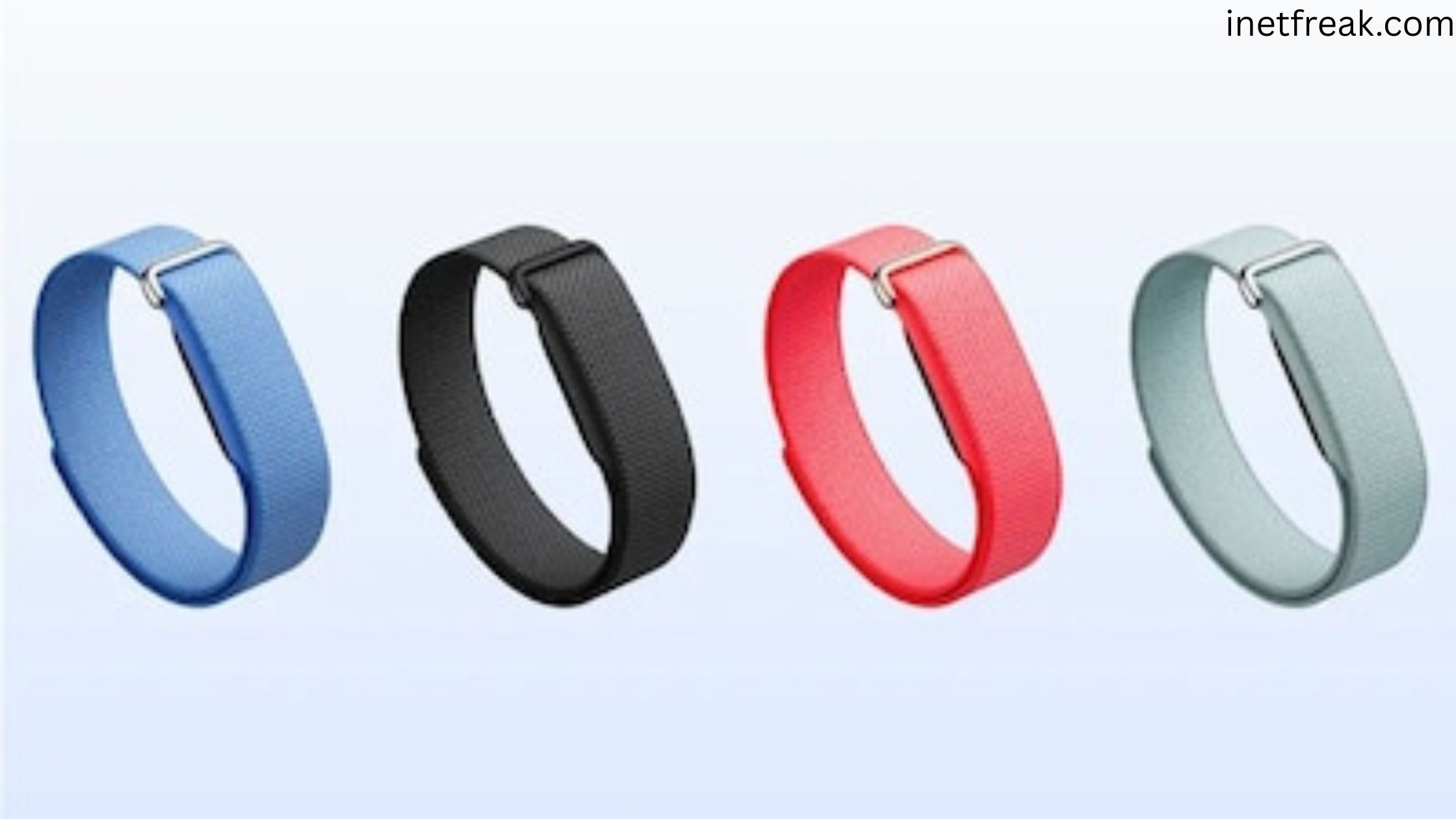
Fitbit Air Bands and Customization Options
Google is also pushing fashion and customization.
Available Bands Include:
Performance Loop Band
- Recycled materials
- Everyday use
Active Band
- Sweat-resistant
- Workout-focused
Elevated Modern Band
- Fashion bracelet style
- Premium aesthetics
This strategy positions Fitbit Air as both:
- A wellness device
- A lifestyle accessory
Fitbit Air Special Edition by Stephen Curry
Google also introduced a special edition version co-designed with Stephen Curry.
Special Edition Features:
- Rye brown and orange colorway
- Water-resistant coating
- Enhanced airflow interior texture
This version targets:
- Athletes
- Fitness enthusiasts
- Sports fans
Celebrity collaborations continue to play a huge role in wearable marketing.
Fitbit Air vs Whoop: Which Is Better?
The Fitbit Air directly challenges Whoop’s dominance in passive fitness tracking.
Comparison Table
| Feature | Fitbit Air | Whoop |
|---|---|---|
| Display | No | No |
| Price | Lower | Higher |
| Heart Rate Tracking | Yes | Yes |
| Sleep Tracking | Yes | Yes |
| Subscription Needed | Optional Premium | Required |
| Battery Life | 1 week | Multiple days |
Key Advantage for Fitbit Air:
Lower entry price and Google ecosystem integration.
Fitbit Air vs Smartwatches
Smartwatch Strengths
- Notifications
- Apps
- Calling
- GPS navigation
Fitbit Air Strengths
- Simplicity
- Longer battery
- Better comfort
- Less distraction
The right choice depends heavily on user lifestyle.
Who Should Buy the Fitbit Air?
Ideal Users Include:
- Fitness beginners
- Sleep optimization enthusiasts
- Minimalists
- Students
- Professionals avoiding distractions
- Athletes focused on recovery
Who Should Avoid It?
The Fitbit Air may not suit users who need:
- Notifications
- Smartwatch apps
- Built-in display interaction
- Advanced smartwatch functionality
Pro Tip for Buyers
Focus on Your Real Usage Habits
Many smartwatch users only regularly use:
- Health tracking
- Step counting
- Sleep analysis
If you rarely interact with smartwatch apps, a screenless wearable may actually improve your experience.
Common Myths About Screenless Fitness Trackers
Myth 1: “No Screen Means Less Useful”
Reality: Most insights are better analyzed in mobile apps anyway.
Myth 2: “Screenless Wearables Are Only for Athletes”
Reality: Casual wellness users may benefit even more.
Myth 3: “Minimalist Devices Are Less Advanced”
Reality: Many screenless trackers use highly sophisticated sensors and AI analytics.
Expert Analysis: Why Fitbit Air Could Reshape Wearable Technology
The Fitbit Air represents a larger industry shift toward:
- Passive wellness
- Digital minimalism
- AI-driven health analytics
Major Industry Trends Emerging
1. Less Screen Dependency
Consumers increasingly seek healthier tech habits.
2. AI Health Coaching
Future wearables may focus more on predictive wellness.
3. Comfort-First Design
Lightweight wearables are gaining popularity.
4. Subscription Ecosystems
Companies now monetize wellness services beyond hardware.
Google appears to be positioning Fitbit Air at the center of these trends.
Potential Challenges Fitbit Air Could Face
Despite its promise, some challenges remain.
1. User Education
Many consumers still associate wearables with screens.
2. Competitive Market
The fitness wearable industry is extremely crowded.
3. Subscription Concerns
Some users dislike premium wellness subscriptions.
4. Feature Expectations
Buyers may compare it unfairly with full smartwatches.
Conclusion
The launch of the Fitbit Air signals a fascinating evolution in wearable technology.
Instead of adding more screens and distractions, Google is embracing:
- Simplicity
- Continuous health tracking
- Long battery life
- Personalized wellness
At an affordable price point, Fitbit Air could become a compelling alternative for users tired of traditional smartwatches.
As digital wellness becomes increasingly important, screenless fitness trackers may represent the next major chapter in wearable innovation.