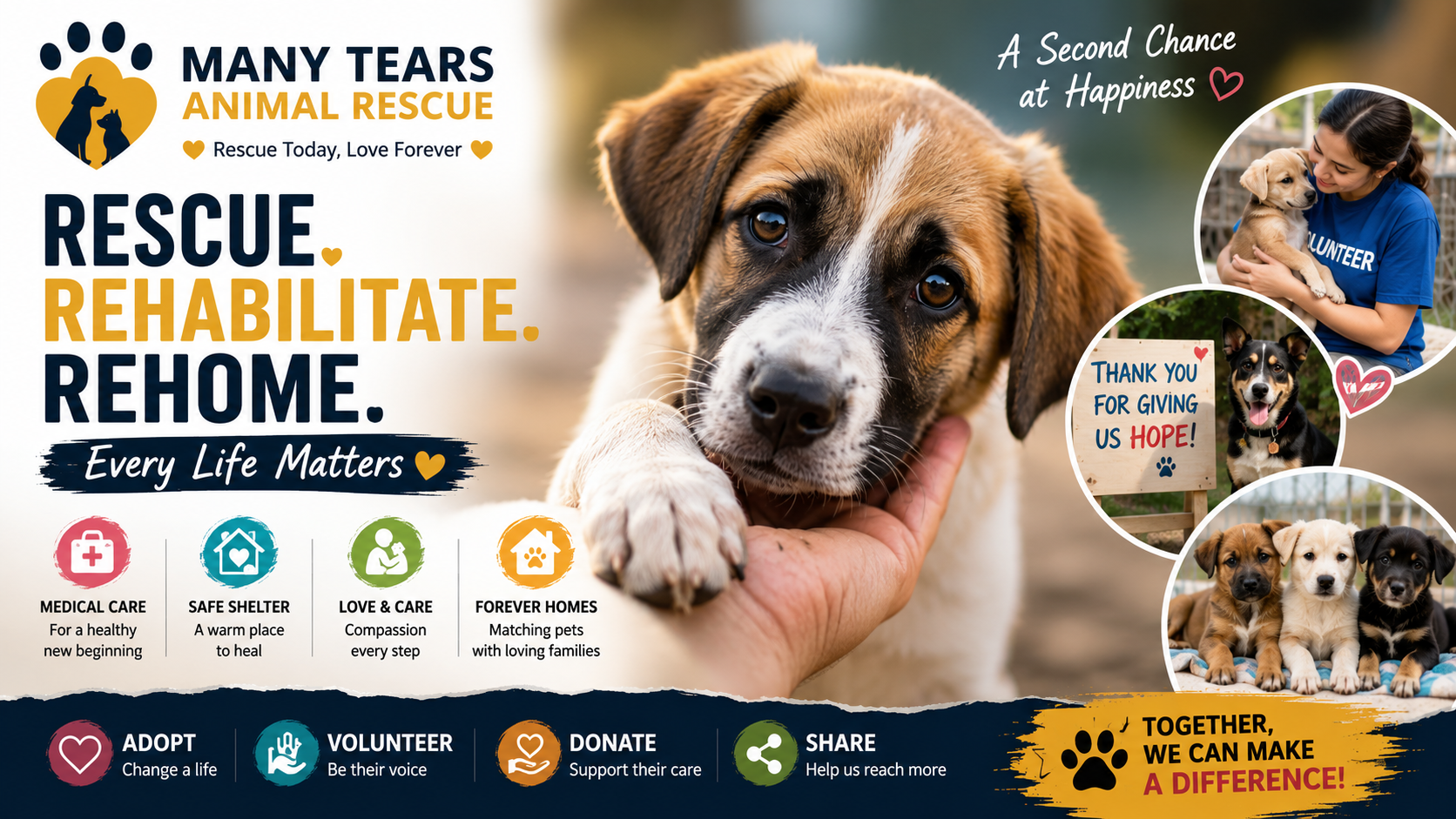
Every year, millions of animals around the world are abandoned, neglected, or surrendered due to changing family circumstances, financial challenges, or health issues. While this remains a heartbreaking reality, countless animal welfare organizations dedicate their time, resources, and compassion to giving these animals a second chance at life. One name that has gained attention among animal lovers is Many Tears Animal Rescue.
Whether you’re searching for adoption information, learning about rescue organizations, or simply exploring how animal welfare groups operate, understanding the work behind these organizations highlights the importance of responsible pet ownership and community involvement.
In this guide, we’ll explore the role of animal rescue organizations, the adoption process, how rescued animals are rehabilitated, what prospective pet owners should know, and why supporting animal welfare makes a meaningful difference.
What Is Many Tears Animal Rescue?
Many Tears Animal Rescue is an animal welfare organization dedicated to rescuing, rehabilitating, and rehoming dogs in need. Like many reputable rescue charities, its mission focuses on giving abandoned, neglected, or unwanted animals the opportunity to live healthy, safe, and loving lives.
Rescue organizations often work with:
- Stray animals
- Former breeding dogs
- Owner-surrendered pets
- Neglected animals
- Abused animals
- Elderly dogs
- Special-needs pets
Their goal extends beyond finding homes—they also provide veterinary care, rehabilitation, and behavioral support where needed.
Why Animal Rescue Matters
Animal rescue organizations play an essential role in reducing suffering and improving animal welfare.
Without these organizations, many vulnerable animals would face uncertain futures.
Animal rescues help by:
- Providing emergency shelter
- Arranging veterinary treatment
- Offering nutritious food
- Socializing fearful animals
- Matching pets with suitable families
- Educating the public about responsible ownership
Their work benefits both animals and communities.
The Growing Need for Animal Rescue
Several factors contribute to the increasing demand for rescue services.
These include:
- Economic hardship
- Rising veterinary costs
- Relocation
- Housing restrictions
- Natural disasters
- Unplanned litters
- Lack of pet education
As a result, rescue organizations often operate at or near full capacity.
The Journey of a Rescue Dog
Every rescued animal has a unique story, but many follow a similar journey before reaching their forever home.
Rescue
Animals may be surrendered by owners, transferred from shelters, or rescued from unsafe environments.
Health Assessment
Veterinarians evaluate each animal for:
- General health
- Vaccinations
- Parasites
- Dental care
- Injuries
- Chronic conditions
Medical treatment begins immediately when necessary.
Rehabilitation
Some animals require time to recover emotionally as well as physically.
Volunteers and caregivers help them:
- Build trust
- Learn social skills
- Adjust to household routines
- Gain confidence around people
Adoption
Once healthy and ready, animals are matched with families whose lifestyles suit their individual needs.
Why People Choose Rescue Dogs
Adopting from a rescue offers many benefits.
Giving a Second Chance
One of the greatest rewards is providing a loving home to an animal in need.
Personality Assessment
Many rescue organizations spend time understanding each dog’s temperament before adoption.
This helps families find a compatible companion.
Veterinary Care
Rescued pets are often vaccinated, microchipped, and examined before adoption.
Ongoing Support
Many organizations continue offering advice after adoption to help families adjust successfully.
Choosing the Right Dog
Not every dog is suitable for every household.
Before adopting, families should consider:
- Living space
- Activity level
- Experience with pets
- Children
- Other animals
- Time available for training
A thoughtful match increases the likelihood of a successful lifelong relationship.
Preparing Your Home
Before bringing home a rescue dog, prepare:
- Comfortable bedding
- Food and water bowls
- Collar and lead
- Toys
- Grooming supplies
- Safe sleeping area
Creating a calm environment helps reduce stress during the transition.
Building Trust
Some rescued animals have experienced difficult circumstances.
Patience is essential.
Helpful approaches include:
- Speaking calmly
- Establishing routines
- Positive reinforcement
- Allowing personal space
- Avoiding punishment-based training
Trust develops gradually.
The Importance of Veterinary Care
Routine veterinary care remains essential throughout a pet’s life.
Recommended care includes:
- Vaccinations
- Annual check-ups
- Parasite prevention
- Dental care
- Nutrition advice
Early detection often improves health outcomes.
Training and Socialization
Many rescue dogs thrive with consistent training.
Basic commands such as:
- Sit
- Stay
- Come
- Leave it
- Heel
help create clear communication between dogs and owners.
Positive reinforcement methods are widely recommended by animal behavior professionals.
Nutrition Matters
A balanced diet supports:
- Healthy growth
- Weight management
- Joint health
- Coat condition
- Immune function
Consulting a veterinarian helps determine the most appropriate food for each dog.
Exercise and Mental Stimulation
Dogs benefit from both physical activity and mental enrichment.
Activities may include:
- Daily walks
- Puzzle toys
- Training sessions
- Scent games
- Playtime
- Safe off-lead exercise where appropriate
Regular stimulation contributes to overall well-being.
Common Challenges After Adoption
Some adopted dogs need time to adjust.
Possible challenges include:
- Separation anxiety
- Fearfulness
- House training
- Excessive barking
- Shyness around strangers
These behaviors often improve with patience, consistency, and professional guidance when needed.
Supporting Animal Rescue Organizations
Even if adoption isn’t possible, there are many ways to help.
Volunteering
Assist with:
- Dog walking
- Cleaning
- Fundraising
- Administrative work
Donations
Financial contributions help cover:
- Veterinary treatment
- Food
- Shelter maintenance
- Rescue operations
Foster Care
Temporary foster homes provide animals with stability while permanent families are found.
Raising Awareness
Sharing educational information about adoption encourages responsible pet ownership.
Responsible Pet Ownership
Owning a dog involves long-term commitment.
Responsibilities include:
- Daily exercise
- Proper nutrition
- Veterinary care
- Training
- Grooming
- Emotional companionship
Potential adopters should carefully consider whether they can meet these lifelong responsibilities.
The Human-Animal Bond
Research suggests that companion animals can positively influence people’s lives in many ways.
Many owners report benefits such as:
- Increased physical activity
- Reduced feelings of loneliness
- Greater daily routine
- Emotional companionship
Experiences vary from person to person, but the relationship between people and their pets is often deeply meaningful.
Why Adoption Is Worth Considering
Choosing adoption helps create opportunities for rescue organizations to assist additional animals in need.
Every successful adoption opens space and resources for future rescues.
It’s a cycle that benefits countless animals over time.
Frequently Asked Questions About Rescue Dogs
Are rescue dogs healthy?
Many rescue organizations provide veterinary examinations and necessary treatment before adoption.
Can first-time owners adopt?
Yes. Rescue organizations typically help match dogs based on each adopter’s experience and lifestyle.
Do older dogs make good pets?
Absolutely.
Older dogs are often calmer, already trained, and adapt well to family life.
Are rescue dogs already vaccinated?
Policies vary by organization, but many provide vaccinations, microchipping, and health assessments before adoption.
The Future of Animal Rescue
Animal welfare continues to evolve through:
- Better veterinary medicine
- Improved adoption screening
- Public education
- Microchipping initiatives
- Responsible breeding awareness
- Community partnerships
Technology also plays an increasing role, helping rescue organizations connect animals with potential adopters more efficiently.
Final Thoughts
Organizations such as Many Tears Animal Rescue highlight the incredible impact that compassion, dedication, and community support can have on the lives of vulnerable animals. Every rescue, rehabilitation, and successful adoption represents a fresh start for a pet in need and an opportunity for a family to welcome a loyal companion into their lives.
Whether you’re considering adoption, volunteering your time, making a donation, or simply learning more about responsible pet ownership, supporting animal welfare helps create a brighter future for countless dogs waiting for a second chance.
Adoption is more than bringing home a pet—it is a commitment built on patience, care, and lifelong responsibility. With thoughtful preparation and continued support, rescue animals can thrive in loving homes and become cherished members of the family.
Stay connected with Inetfreak for informative articles on technology, lifestyle, science, health, sustainability, and trending topics from around the world.
Frequently Asked Questions (FAQs)
What is Many Tears Animal Rescue?
Many Tears Animal Rescue is an animal welfare organization focused on rescuing, rehabilitating, and rehoming dogs while promoting responsible pet ownership.
Why should I adopt instead of buying a pet?
Adoption provides a home for an animal in need and supports rescue efforts while helping reduce the number of homeless pets.
What should I consider before adopting?
Think about your available time, living space, financial responsibilities, activity level, and ability to provide lifelong care.
Can rescue dogs adjust to new homes?
Yes. While some dogs may need time to adapt, patience, consistent routines, and positive training often help them settle successfully.
How can I support animal rescue organizations?
You can help by adopting, fostering, volunteering, donating, or raising awareness about responsible pet ownership and animal welfare.
This website is proudly managed and maintained by Shunya Digit.