When Steve Jobs unveiled the first iPhone in 2007, it changed the world.
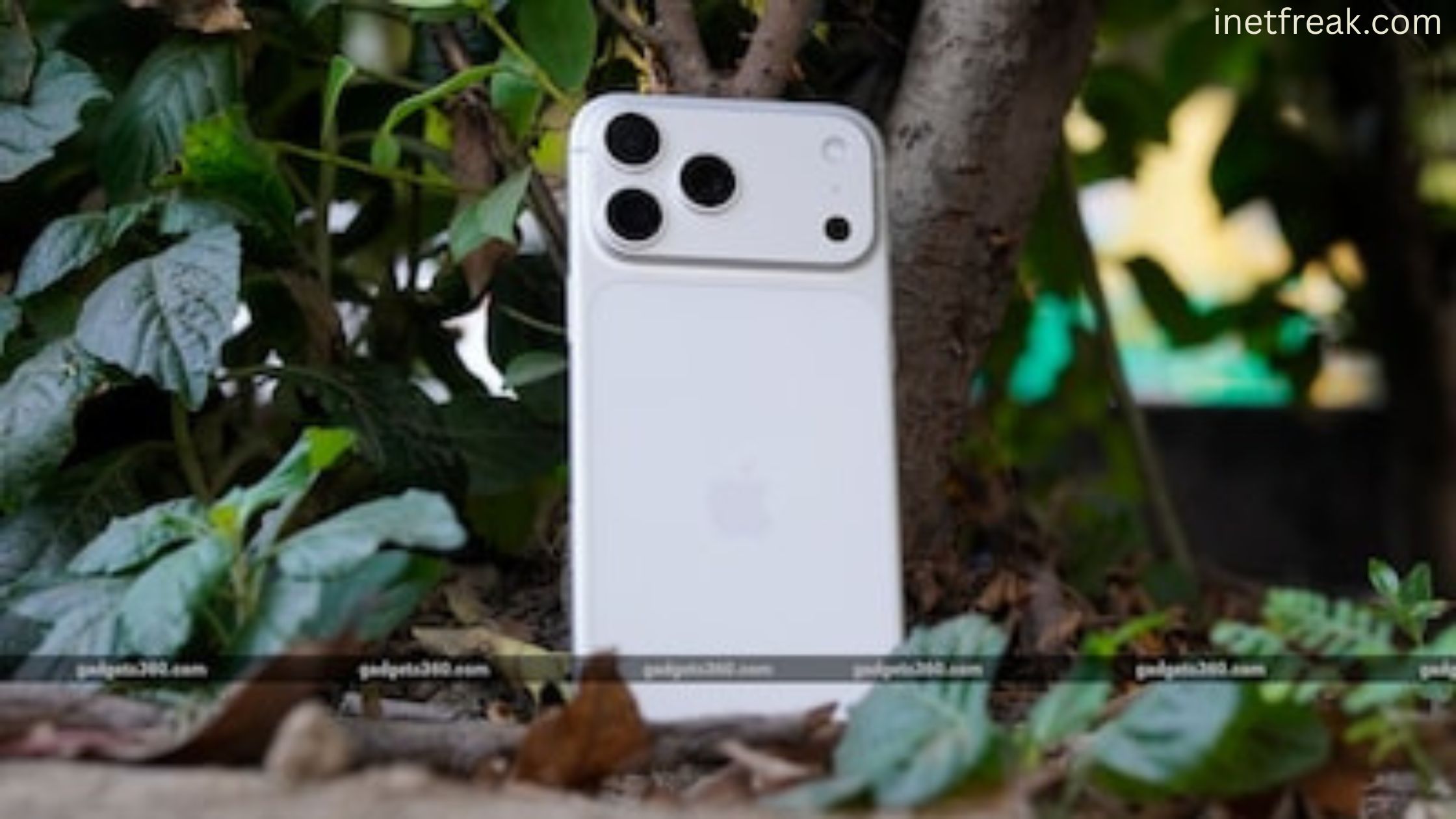
Now, nearly two decades later, Apple is preparing something equally ambitious—the 20th anniversary iPhone, widely expected to be called the iPhone 20.
And if the latest leaks are even partially true, this isn’t just another upgrade.
It could be the most radical iPhone redesign in years.
From solid-state buttons to a dual-layer OLED display, Apple seems ready to rethink how we interact with smartphones altogether.
What Is the iPhone 20? (And Why It Matters)
The iPhone 20 represents more than a product—it’s a milestone.
Why This Launch Is Special
- Marks 20 years of iPhone innovation
- Expected to introduce next-gen hardware changes
- Likely to influence the next decade of smartphone design
Did You Know?
Apple tends to reserve major redesigns for milestone models—like the iPhone X in 2017.
The iPhone 20 could follow the same pattern… but on a much bigger scale.
Solid-State Buttons: The End of Physical Clicks?
What Are Solid-State Buttons?
Unlike traditional buttons, solid-state buttons don’t physically move.
Instead, they:
- Detect pressure
- Use haptic feedback to simulate a click
- Offer consistent performance across conditions
Why Apple Is Switching
Leaks suggest Apple has tested these buttons under:
- Wet hands
- Gloves
- Extreme temperatures
- Phone cases
That’s a big deal.
Key Advantages
- Higher durability (no mechanical wear)
- Better water resistance
- Customizable feedback sensitivity
Real-World Example
Think of the MacBook trackpad—it doesn’t actually click, but it feels like it does.
Apple may bring that same experience to the iPhone.
Pro Tip
If solid-state buttons arrive:
Expect fewer hardware failures and longer device lifespan.
Massive Battery Upgrade: 6000mAh Powerhouse?
One of the most surprising leaks is the ~6000mAh battery.
Why This Matters
Current iPhones typically have smaller batteries compared to Android rivals.
A jump to 6000mAh could mean:
- 2-day battery life (for moderate users)
- Better performance for gaming & video
- Improved power efficiency with new chips
Ultra-Low Power Chip: The Hidden Hero
Apple is rumored to include a dedicated low-power chip to manage:
- Button feedback
- Background sensing
- Always-on features
Even when the phone is OFF, some features may still work.
Dual-Layer OLED Display: A Visual Game-Changer
What Is Dual-Layer OLED?
Traditional OLED uses a single emission layer.
Dual-layer OLED:
- Stacks two OLED layers
- Improves brightness & efficiency
- Extends display lifespan
Benefits You’ll Notice
- Brighter outdoor visibility
- Lower power consumption
- Better HDR performance
Comparison Table
| Feature | Standard OLED | Dual-Layer OLED |
|---|---|---|
| Brightness | Good | Excellent |
| Efficiency | Moderate | High |
| Lifespan | Standard | Extended |
Under-Display Tech: A Seamless Future
Apple is reportedly going all-in on invisible hardware.
Expected Features
- Under-display Face ID (infrared sensor)
- Hidden front camera
- No notch or Dynamic Island
A true full-screen iPhone.
Why This Matters
- Cleaner design
- Better immersion for videos & gaming
- More futuristic user experience
Did You Know?
Several Android brands attempted under-display cameras—but struggled with quality.
Apple may solve this with advanced imaging algorithms.
Under-Display Sound: Goodbye Speaker Grilles?
Another rumored innovation is under-display audio technology.
How It Works
- Uses vibration-based sound transmission
- Turns the screen into a speaker
Benefits
- No visible earpiece
- Better water resistance
- Sleeker design
Next-Gen Ceramic Shield: Scratch Resistance Redefined
Apple may upgrade its Ceramic Shield technology.
Claims Suggest:
- Resistant to scratches from keys
- More durable than current glass
- Improved drop protection
Real-Life Impact
Less need for screen protectors (maybe)
But let’s be honest:
Pro Tip: Always use a case—physics still wins.
Reverse Wireless Charging: Power Sharing Arrives?
The iPhone 20 may support wireless reverse charging.
What You Can Do
- Charge AirPods from your iPhone
- Power other devices on the go
Why Apple Delayed This
- Efficiency concerns
- Heat management issues
If it arrives now, expect a refined version.
iPhone 20 vs Current iPhones
| Feature | Current iPhones | iPhone 20 (Expected) |
|---|---|---|
| Buttons | Physical | Solid-state |
| Display | OLED | Dual-layer OLED |
| Battery | ~3000–4500mAh | ~6000mAh |
| Face ID | Visible notch | Under-display |
| Camera | Punch/notch | Hidden |
| Charging | Standard wireless | Reverse wireless |
Myths vs Reality
| Myth | Reality |
|---|---|
| Solid-state buttons feel worse | Advanced haptics can feel identical |
| Bigger battery = heavier phone | Efficiency improvements balance weight |
| Under-display camera reduces quality | Apple may solve this with AI processing |
Actionable Insights Before You Upgrade
Should You Wait for iPhone 20?
Wait if you:
- Want a completely new design
- Care about battery life
- Prefer cutting-edge features
Skip if you:
- Upgrade every year
- Prefer proven tech over experimental features
Conclusion: Apple’s Most Ambitious iPhone Yet?
The iPhone 20 isn’t shaping up to be just another smartphone.
It’s a statement.
A bold reimagining of:
- Hardware interaction
- Display technology
- User experience
If even half these leaks are true:
Apple could once again redefine the smartphone industry.