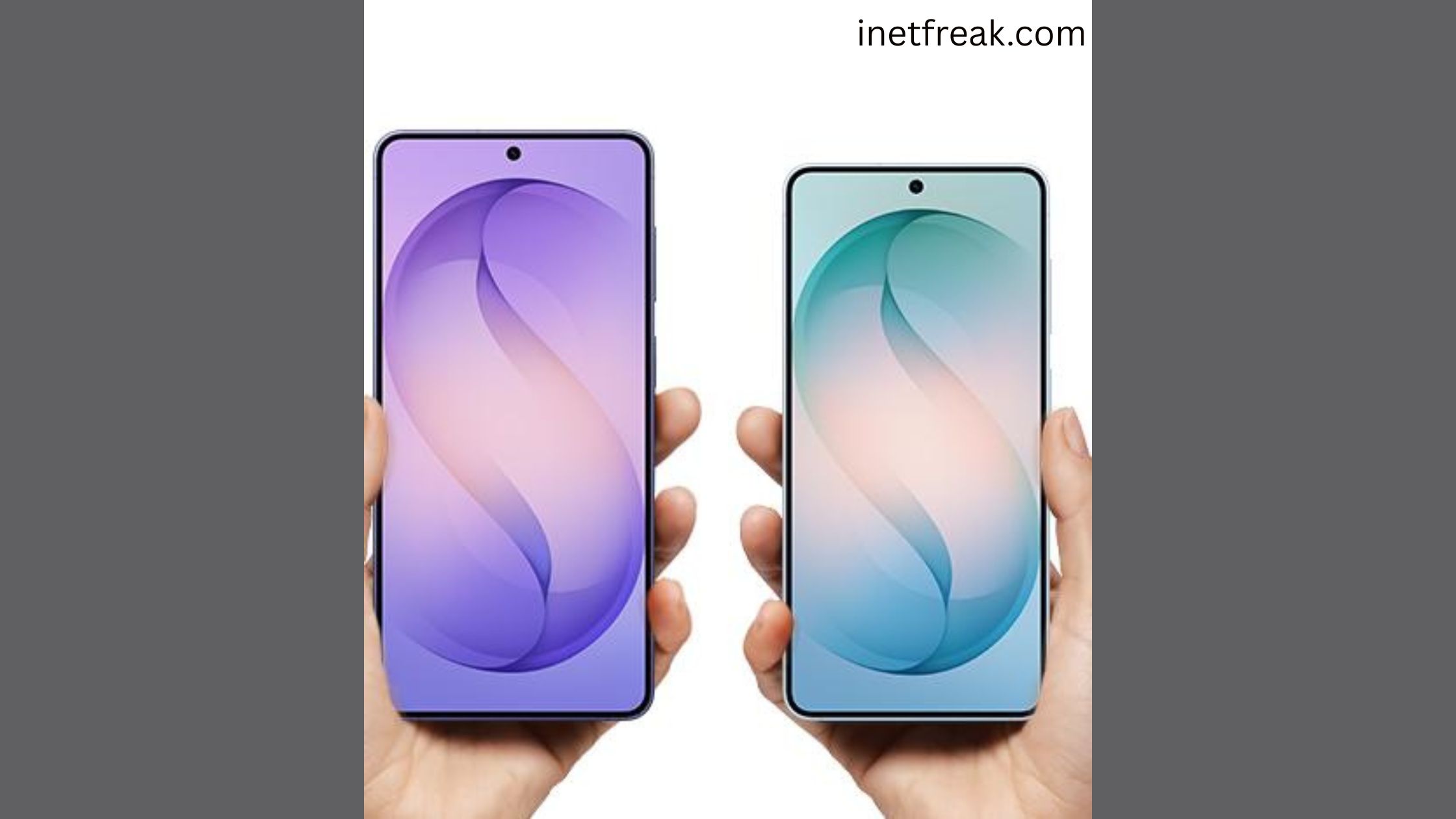
The smartphone industry thrives on innovation—but every once in a while, a shift happens that truly redefines performance standards.
That’s exactly what’s brewing with the upcoming Samsung Galaxy S27 Snapdragon chips.
Recent signals from Qualcomm suggest that its next-generation processors could power the future Samsung Galaxy S27 lineup. If the leaks hold true, we could be looking at one of the most powerful Android flagships ever built.
But here’s the real question:
Is this just another incremental upgrade—or a revolutionary leap?
Let’s break down everything—from chipset architecture and performance gains to real-world impact and buying decisions.
Samsung & Qualcomm: A Partnership That Shapes Flagships
The collaboration between Samsung and Qualcomm is not new—but it’s becoming increasingly strategic.
Dual-Chip Strategy Explained
Samsung has historically followed a dual-chip approach:
- Snapdragon chips in markets like the US and China
- Exynos chips in Europe and parts of Asia
Why This Matters
- Performance differences have sparked debates for years
- Snapdragon variants often outperform Exynos in gaming and efficiency
- Users now expect consistency across regions
The Galaxy S27 could mark a turning point.
Snapdragon 8 Elite Gen 6: What We Know So Far
Leaks suggest two powerful processors:
- Snapdragon 8 Elite Gen 6
- Snapdragon 8 Elite Gen 6 Pro
These are expected to be manufactured by TSMC using a 2nm process.
2nm Technology: Why It’s a Big Deal
What Does “2nm” Mean?
It refers to the size of transistors on a chip.
Smaller = Better
Key Benefits
- Faster processing speeds
- Improved battery efficiency
- Lower heat generation
Did You Know?
Moving from 4nm to 2nm can deliver up to 20–30% efficiency improvements in real-world usage.
CPU Architecture: The 2+3+3 Oryon Core Setup
The new chips are expected to feature:
- 2 Prime cores → Maximum performance
- 3 Performance cores → Balanced power
- 3 Efficiency cores → Battery saving
All powered by Qualcomm’s custom Oryon cores.
Why Oryon Matters
- Designed in-house by Qualcomm
- Competes directly with Apple’s silicon
- Focuses on AI + performance synergy
This could dramatically improve:
- Multitasking
- Gaming
- AI-driven apps
GPU Power: Adreno 845 vs Adreno 850
Graphics performance is where things get exciting.
| Feature | Standard Chip | Pro Chip |
|---|---|---|
| GPU | Adreno 845 | Adreno 850 |
| Gaming | High-end | Ultra-premium |
| Ray Tracing | Yes | Enhanced |
Real-World Impact
- Smoother gameplay (even at max settings)
- Better video rendering
- Advanced AR/VR experiences
Pro Tip:
If you’re a gamer, the Pro variant could be a massive upgrade worth waiting for.
UFS 5.0 Storage: Faster Than Ever
Both chips are expected to support UFS 5.0 storage.
What This Means for Users
- Faster app launches
- Instant file transfers
- Improved system responsiveness
Think of it as SSD-level speed for your smartphone.
Will Samsung Use Both Chips or Just One?
This is where things get interesting.
Possible Scenarios
1. Unified Snapdragon Strategy
- All models use Snapdragon
- No more Exynos variants
- Consistent global performance
2. Dual Snapdragon Strategy
- Standard model → Gen 6
- Ultra model → Gen 6 Pro
3. Hybrid Approach
- Some markets get Exynos
- Others get Snapdragon
Most users are hoping for Scenario 1.
Snapdragon vs Exynos: The Ongoing Debate
| Feature | Snapdragon | Exynos |
|---|---|---|
| Performance | Higher | Variable |
| Efficiency | Better | Improving |
| Gaming | Superior | Moderate |
| AI Capabilities | Advanced | Competitive |
The Reality
- Snapdragon chips have built a strong reputation for reliability
- Exynos is improving—but still catching up
Real-World Use Cases: What Changes for You?
Let’s move beyond specs.
1. Gaming Enthusiasts 🎮
- Higher FPS
- Less overheating
- Longer sessions without throttling
2. Content Creators 📸
- Faster video editing
- Improved camera processing
- Better low-light photography
3. Everyday Users 📱
- Faster app switching
- Longer battery life
- Smoother UI experience
AI & Future Capabilities
The next-gen Snapdragon chips are expected to push on-device AI further.
Potential Features
- Real-time language translation
- AI photo editing
- Smarter voice assistants
Did You Know?
Modern flagship chips can process AI tasks locally, reducing reliance on the cloud.
Common Myths About New Chipsets
Myth 1: “New chip = Huge real-world difference”
Reality:
Improvements are often incremental but meaningful over time.
Myth 2: “More cores = better performance”
Reality:
Efficiency and architecture matter more than core count.
Myth 3: “You need the latest chip every year”
Reality:
Most users won’t notice major differences unless upgrading after 3–4 years.
Should You Wait for the Galaxy S27?
Wait If You:
- Want cutting-edge performance
- Use heavy apps or gaming
- Upgrade every 3–4 years
Skip If You:
- Already own a recent flagship
- Use your phone for basic tasks
SEO Keywords Used
Primary Keyword:
- Samsung Galaxy S27 Snapdragon chips
Secondary Keywords:
- Snapdragon 8 Elite Gen 6
- Qualcomm chipset leaks
- Galaxy S27 specs
- smartphone processor comparison
- Snapdragon vs Exynos
Conclusion: A Defining Moment for Samsung Flagships?
The Samsung Galaxy S27 Snapdragon chips could represent more than just a hardware upgrade—they could signal a strategic shift in Samsung’s flagship philosophy.
With:
- Cutting-edge 2nm technology
- Powerful Oryon CPU cores
- Next-level GPU performance
- Faster storage systems
The Galaxy S27 series might set a new benchmark for Android smartphones.
But the final verdict depends on one critical decision:
Will Samsung go all-in on Snapdragon globally?
Key Takeaways
- Samsung Galaxy S27 may feature next-gen Snapdragon chips
- 2nm process promises major efficiency and performance gains
- Oryon cores could rival Apple’s chip architecture
- Pro variant may deliver superior gaming performance
- Samsung’s chip strategy will define user experience globally
FAQs
1. Will the Samsung Galaxy S27 use Snapdragon globally?
It’s not confirmed yet, but there’s strong speculation Samsung may move toward a unified Snapdragon strategy.
2. What is Snapdragon 8 Elite Gen 6?
It’s Qualcomm’s upcoming flagship processor expected to power next-generation smartphones.
3. Is 2nm technology really important?
Yes, it improves performance, battery life, and heat efficiency significantly.
4. Should I upgrade to Galaxy S27?
If you want top-tier performance and future-proofing, it could be worth the wait.
5. What’s the difference between Gen 6 and Gen 6 Pro?
The Pro variant is expected to offer better GPU performance and overall power.
Final CTA
Want to stay ahead of smartphone trends?
Follow for the latest leaks, deep tech breakdowns, and buying guides—so you never miss the next big upgrade.
Or tell me your budget and usage—I’ll help you decide whether the Galaxy S27 is worth waiting for.