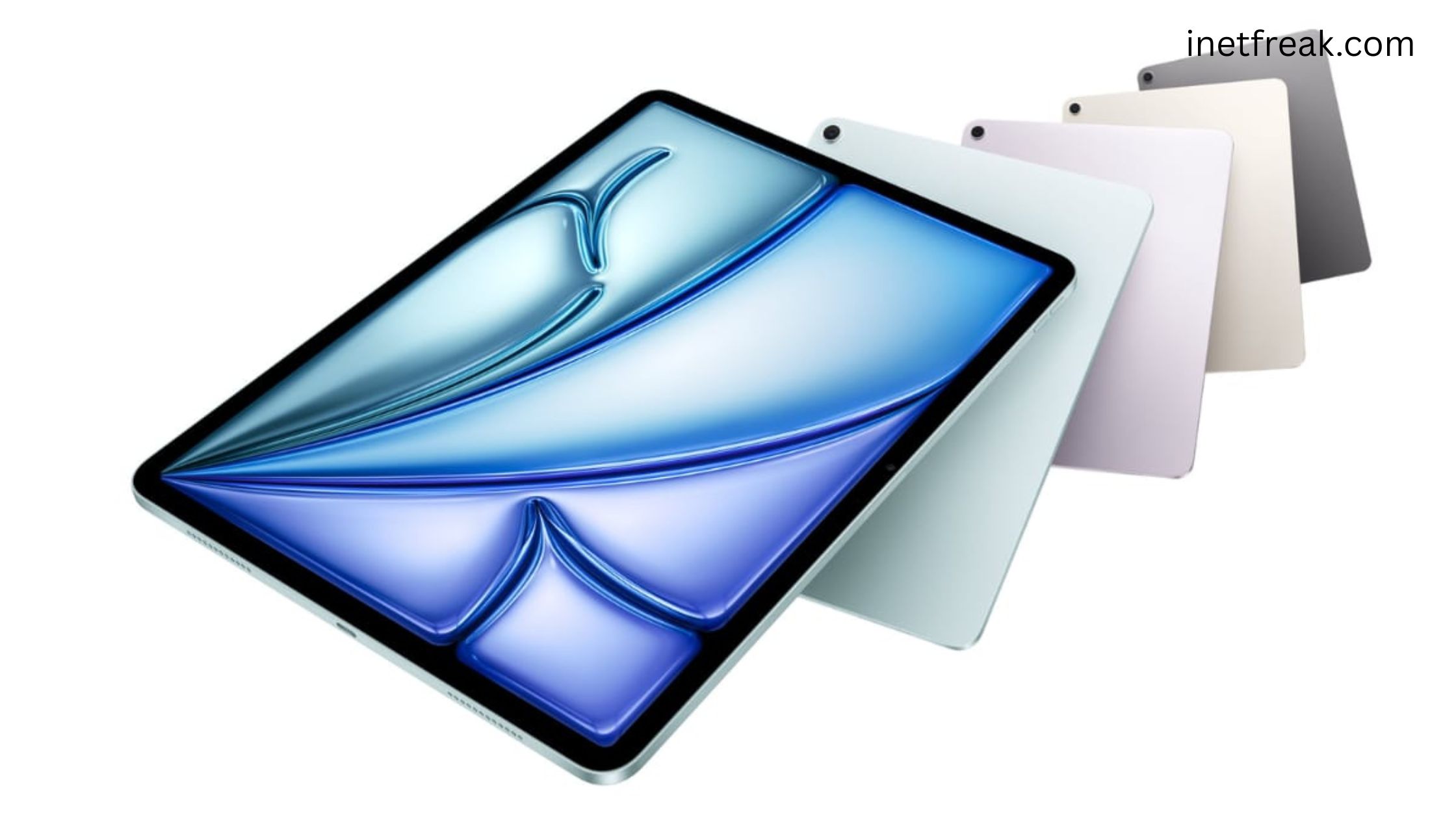
Apple is reportedly preparing a major upgrade for its popular iPad Air lineup by introducing an OLED display in 2027. If the plan materializes, this move could redefine the mid-range tablet segment by bringing premium display technology to a wider audience.
For years, OLED displays have been reserved for high-end devices, but Apple appears ready to expand this feature across more of its tablet lineup. With the expected involvement of Samsung Display, the transition to OLED could begin production as early as late 2026.
📱 Why OLED Matters for the iPad Air
OLED (Organic Light-Emitting Diode) technology offers several advantages over traditional LCD panels. These include:
- Deeper blacks and higher contrast ratios
- More vibrant colors
- Better energy efficiency in certain scenarios
- Thinner and lighter display panels
By bringing OLED to the iPad Air, Apple could significantly enhance the visual experience for users who consume media, edit photos, or work on creative tasks.
Currently, OLED displays are already featured in the iPad Pro lineup, which made the transition in 2024. Extending this technology to the iPad Air would close the gap between Apple’s premium and mid-range devices.
🏭 Samsung Display’s Role in Production
According to reports, Samsung Display will play a key role in supplying OLED panels for the upcoming iPad Air. The company is expected to begin mass production either toward the end of 2026 or early 2027.
This partnership is not surprising, as Samsung has long been one of the leading manufacturers of high-quality OLED panels used in smartphones, tablets, and other devices. Their expertise ensures that Apple can maintain high display standards while scaling production for a larger audience.
📅 Expected Launch Timeline
Apple is likely to unveil the OLED iPad Air in the first half of 2027, possibly around March or May. This aligns with Apple’s typical product release cycles for iPads.
If production starts on schedule, the company should have enough supply to meet demand—especially important since the iPad Air tends to sell in higher volumes than the Pro models.
🔄 Apple’s Bigger OLED Strategy
The introduction of an OLED iPad Air is part of Apple’s broader plan to transition its entire tablet lineup to OLED displays. This shift has been happening gradually:
- The iPad Pro adopted OLED in 2024
- The iPad Mini is expected to follow soon
- The iPad Air could join the lineup in 2027
If this transition is completed, only the base iPad model would continue using an LCD display.
This strategy reflects Apple’s effort to standardize display quality across its devices while still differentiating products through performance and features.
💰 Balancing Cost and Performance
One of the biggest challenges in bringing OLED to the iPad Air is cost. OLED panels are generally more expensive than LCDs, which could impact the pricing of the device.
However, Apple appears to be working toward a balance—offering improved display quality without pushing the iPad Air too close to the Pro lineup in terms of price. This balance is crucial, as the iPad Air sits in a sweet spot between affordability and premium features.
🎯 What This Means for Users
For consumers, the shift to OLED in the iPad Air could bring several benefits:
- Better viewing experience for movies and streaming
- Improved color accuracy for designers and creators
- Potential battery efficiency improvements
- A more premium feel without Pro-level pricing
This could make the iPad Air an even more attractive option for students, professionals, and casual users alike.
🏁 Final Thoughts
The rumored OLED iPad Air launch in 2027 highlights Apple’s continued push to bring advanced technologies to a broader audience. With support from Samsung Display and a clear roadmap for OLED adoption, the future of Apple’s tablet lineup looks increasingly premium.
If the reports hold true, the iPad Air could become one of the most compelling mid-range tablets on the market—offering high-end display technology at a more accessible price point.