AI smartphones are no longer just about adding a “smart” photo filter or a voice assistant. In 2026, the best AI phones in India are using on-device intelligence for real-time language translation, generative photo and video editing, call screening, spam detection, privacy-first personalization, and power-efficient performance tuning. If you’re planning an upgrade, choosing an AI-first device can genuinely change how you work, travel, create content, and manage daily tasks. Below are the top 5 AI smartphones in India for 2026 you shouldn’t miss, selected for their AI features, overall value, ecosystem support, and long-term software promise.
What Makes a Smartphone an “AI Phone” in 2026?
The term “AI smartphone” used to be marketing-heavy. In 2026, it generally means the phone can run advanced AI models locally (on-device) and not only in the cloud. This improves speed, works offline, and keeps sensitive data more private.
- Powerful NPU/AI engine: A dedicated neural processor or AI accelerator for faster inference and lower battery drain.
- On-device generative AI: Summarize notes, rewrite text, generate wallpapers, enhance images, or edit videos without uploading everything.
- AI camera pipeline: Better HDR, skin tones, motion handling, low-light performance, and realistic portrait separation.
- Smart calling and messaging: Call screening, spam detection, transcript-based search, and priority notifications.
- Long-term updates: AI features improve with updates; the best phones support multiple years of OS and security upgrades.
Top 5 AI Smartphones in India 2026 You Shouldn’t Miss
1) Samsung Galaxy S26 Ultra
The Galaxy S26 Ultra continues Samsung’s “Ultra” formula but leans even harder into AI productivity. It’s the device for users who want a premium camera, a massive display, and AI tools that feel integrated into everyday work. Samsung’s on-device and hybrid AI features shine in note-taking, photo editing, and multitasking.
- Best for: Power users, creators, business professionals, and S Pen fans
- Standout AI features: Generative photo edits, object removal that looks natural, advanced live translation, AI summarization in Samsung Notes, smart gallery search
- Camera advantage: Strong zoom performance, improved night video, and consistent flagship-grade processing
- Why it stands out in India (2026): Great service network, wide availability, strong exchange offers, and reliable long-term update support
If you want an AI smartphone that can replace small productivity tools—scanner apps, basic editors, translation apps—the S26 Ultra is usually the one that does it all without fuss.
2) Google Pixel 10 Pro / Pixel 10 Pro XL
Google’s Pixel lineup is often the most “AI-native” experience on Android, and the Pixel 10 Pro series is expected to push deeper into on-device generative assistance. Pixels are especially strong at voice-based tasks, call features, and computational photography, where AI feels less like a feature and more like the phone’s personality.
- Best for: Clean Android lovers, frequent callers, travelers, and anyone who wants AI that “just works”
- Standout AI features: Call screening, spam call detection, voice-to-text accuracy, smart replies, on-device photo enhancements, AI-assisted writing and summaries
- Camera advantage: Natural tones, reliable HDR, excellent portraits, and dependable point-and-shoot results
- Why it stands out in India (2026): Pixel’s AI calling features and camera pipeline are among the most practical daily-use benefits
For users comparing the best AI phones in India, Pixel remains a top pick because Google’s AI features are often the first to feel mature, polished, and genuinely useful.
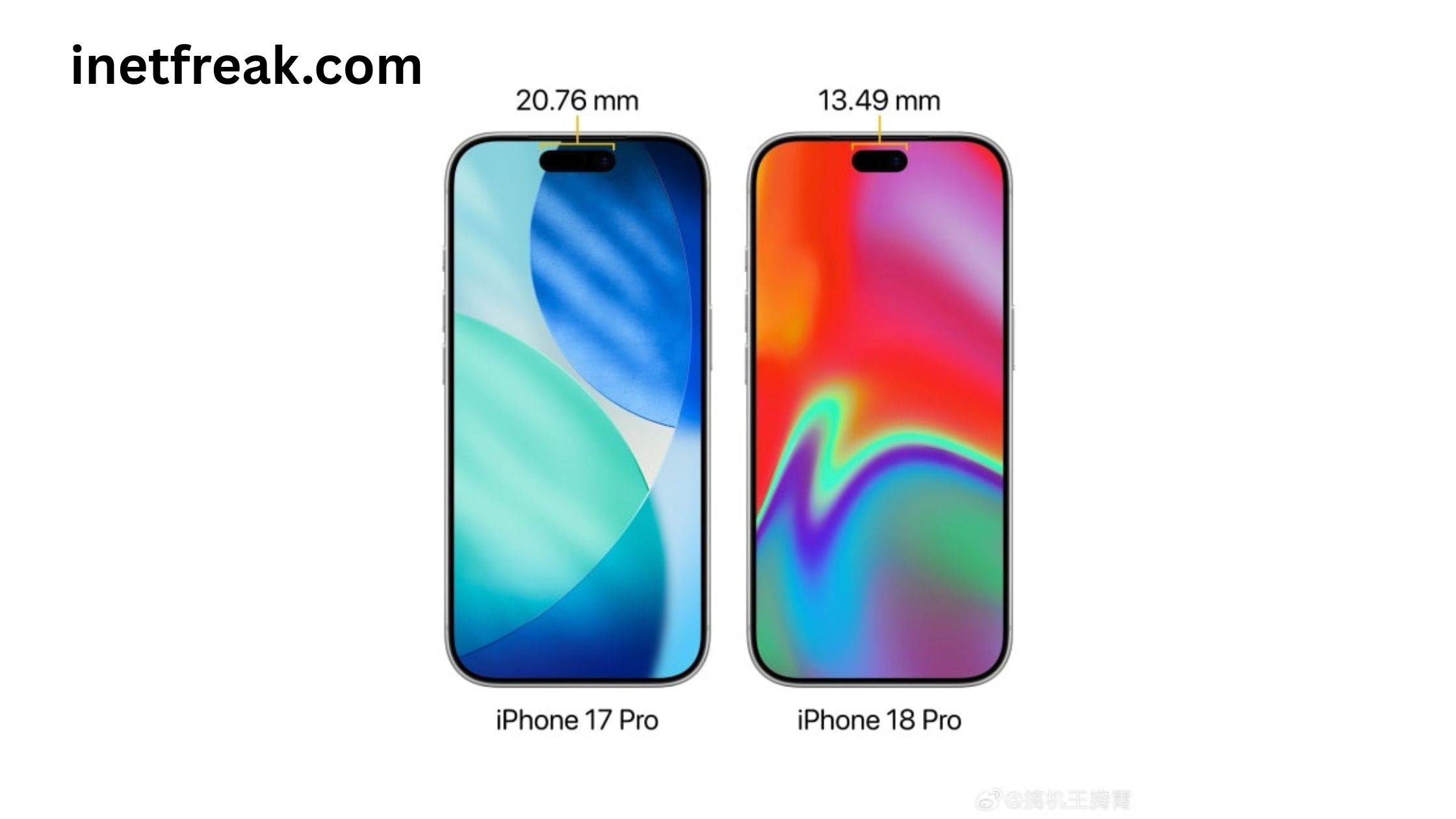
3) Apple iPhone 17 Pro / iPhone 17 Pro Max
Apple’s Pro iPhones remain a top choice for people who want fast performance, consistent cameras, long software support, and privacy-focused AI. In 2026, Apple’s approach continues to emphasize on-device processing where possible, alongside tightly controlled cloud workflows designed around privacy.
- Best for: iOS ecosystem users, video creators, professionals, and privacy-minded buyers
- Standout AI features: Smarter on-device suggestions, improved photo and video editing intelligence, better voice interaction, and enhanced text tools inside iOS apps
- Camera advantage: High-quality video stabilization, reliable color science, and excellent social-media-ready output
- Why it stands out in India (2026): Strong resale value, long update lifecycle, and polished app ecosystem
If your workflow includes iPad, Mac, AirPods, or Apple Watch, the iPhone 17 Pro series can feel like the most seamless AI smartphone experience—especially for content creation and communication.
4) OnePlus 14 (or OnePlus 14 Pro)
OnePlus has steadily improved its camera processing, display quality, and performance tuning, and in 2026 its AI story is about speed, smoothness, and day-to-day convenience. The OnePlus 14 series is an excellent choice for buyers who want flagship performance and smart features without always paying “ultra-premium” prices.
- Best for: Performance enthusiasts, gamers, and value-focused flagship buyers
- Standout AI features: AI-powered image enhancement, smart search, productivity assistance, battery and thermal optimization, and improved voice features
- Camera advantage: Strong main sensor output, better portrait consistency, and improved low-light processing compared to older generations
- Why it stands out in India (2026): Aggressive pricing, fast charging culture-fit, and a loyal user base with strong community support
For many shoppers searching “best AI smartphone under flagship budget” in India, OnePlus typically lands as a practical, performance-first answer.
5) Xiaomi 16 Pro / Xiaomi 16 Ultra
Xiaomi’s premium phones in 2026 continue to pack high-end hardware and ambitious camera systems, and their AI features increasingly focus on creative editing and camera intelligence. Xiaomi’s approach often appeals to users who want maximum specifications and a feature-rich experience.
- Best for: Spec hunters, mobile photographers, and users who love feature-packed software
- Standout AI features: AI portrait refinements, generative edits, smart scene detection, enhanced video stabilization, AI-assisted gallery organization
- Camera advantage: Strong detail, powerful imaging hardware (especially on Ultra models), and flexible shooting modes
- Why it stands out in India (2026): High value for premium hardware, strong competition against more expensive flagships
If you want a feature-rich AI phone with heavy emphasis on photography and editing tools, Xiaomi’s Pro/Ultra options are among the most exciting in the Indian market.
How to Choose the Best AI Smartphone in India (2026)
Even among top AI smartphones, the “best” one depends on how you use your phone. Before buying, focus on the AI features you’ll actually use weekly, not the ones that look impressive in demos.
- For students: Prioritize AI note summaries, voice-to-text accuracy, and battery life.
- For office and business: Look for call screening, transcription, strong security, and long update support.
- For creators: Choose the best camera pipeline, on-device editing, and stable video performance.
- For travelers: Offline translation, smart maps/search, and reliable network performance matter more than benchmarks.
- For gamers: AI thermal control, frame stability, and sustained performance are key.
AI Features to Look For in 2026 (Quick Checklist)
- On-device AI editing: Remove objects, extend backgrounds, fix blur, and relight portraits.
- AI calling tools: Spam detection, caller intent screening, and live transcription.
- AI writing assistance: Summaries, rewrite options, tone changes, and smart replies.
- Search across your phone: Find photos, screenshots, notes, and documents using natural language.
- Privacy controls: Clear permissions, on-device processing options, and transparent AI data settings.
- Update promise: More years of OS + security updates typically equals longer-lasting AI usefulness.
Final Thoughts: Which AI Smartphone Should You Buy?
If you want the most “everything” flagship with deep AI productivity and camera power, the Samsung Galaxy S26 Ultra is a strong all-rounder. If you want the cleanest AI-first Android experience, the Google Pixel 10 Pro lineup is hard to beat. For premium performance, video creation, and ecosystem benefits, the iPhone 17 Pro series remains a top pick. If you want a performance-heavy flagship at a smarter price, consider the OnePlus 14. And if you want maximum specs and ambitious camera hardware with lots of AI editing tools, the Xiaomi 16 Pro/Ultra deserves a close look.
FAQs
Which is the best AI smartphone in India in 2026?
For an all-in-one premium experience, the Samsung Galaxy S26 Ultra is often the best overall pick thanks to its AI productivity tools, camera versatility, and flagship hardware. If you prefer clean Android with highly practical AI calling and photo features, the Google Pixel 10 Pro series is a top contender.
What AI features actually matter in daily use?
The most useful daily AI features are call spam detection and screening, voice-to-text transcription, AI photo cleanup (object removal, deblur), smart gallery search, notification summaries, and on-device translation when traveling or working across languages.
Are AI smartphones safe for privacy?
They can be, especially when features run on-device rather than in the cloud. Before buying, check whether the phone offers privacy controls for AI, transparency on data usage, and options to limit cloud processing for sensitive tasks.
Do AI smartphones require internet to work?
Not always. Many 2026 AI features run on-device (like basic summaries, photo edits, or offline voice typing), but some advanced generative tasks and cross-app assistants may still work better with an internet connection depending on the brand and feature.
How long will an AI smartphone stay “future-proof”?
Future-proofing depends on NPU capability, RAM/storage, and especially software update policy. A phone with multiple years of OS and security updates will receive improved AI features over time and remain compatible with newer apps and services.