AI smartphones are no longer just about flashy camera tricks or a few smart suggestions. In 2026, the most exciting shift in India’s premium and upper-midrange phone market is the rise of on-device AI assistant features—tools that run directly on the phone, process many tasks offline, and keep more of your data private. These phones combine powerful NPUs (neural processing units), efficient chipsets, and tightly integrated software so your assistant can summarize, translate, edit, search, and automate actions without always relying on the cloud.
This guide covers the top 2026 AI smartphones in India that are best known for strong on-device assistant capabilities, along with what these features mean in daily use, what to look for before buying, and how to choose the best option for your budget.
What “On-Device AI Assistant” Really Means in 2026
An on-device AI assistant is more than voice commands. It’s a set of AI models and tools that run partially or fully on your smartphone. In practical terms, that can include:
- Offline or low-connectivity support: Dictation, summaries, translations, and smart replies that work even with weak data.
- Faster response times: Many actions happen instantly without round trips to servers.
- Better privacy controls: Sensitive processing (notes, screenshots, call summaries) can stay local.
- Deep app actions: Create reminders from messages, extract info from images, schedule events, or search within your phone using natural language.
Top 2026 AI Smartphones in India with On-Device Assistant Features
Availability can vary by city and online retailer, but these are the most relevant models (or flagship series) expected to be widely considered in India in 2026 for their AI-first experience. Each entry focuses on real on-device assistant value: reliability, speed, and usefulness in daily workflows.
1) Samsung Galaxy S26 Series (S26 / S26+ / S26 Ultra)
Samsung’s 2026 flagships remain a strong pick for users who want an AI assistant that feels built into the phone rather than bolted on. The S26 series is expected to push further into on-device processing for productivity tasks and multimodal search (text + image + voice).
- On-device highlights: Note and call summarization, smart writing and rewriting, image-aware search, and device-wide “ask anything” style queries across supported apps.
- Why it fits India: Strong service network, broad 5G band support, and excellent video/camera processing for creators.
- Best for: Professionals, creators, and users who want a complete ecosystem experience.
2) Google Pixel 10 Series (Pixel 10 / 10 Pro)
Pixels typically set the standard for assistant-led experiences on Android. In 2026, Pixel 10-series devices are expected to continue expanding on-device AI for transcription, summarization, screen/context understanding, and smart automation that feels natural.
- On-device highlights: Real-time transcription, advanced voice typing, contextual assistant actions, offline-friendly language tools, and “search what you see” style features.
- Why it fits India: Excellent camera output with minimal effort, clean Android experience, and fast AI features integrated into core apps.
- Best for: Users who prioritize a smart assistant, photography, and clean software over heavy customization.
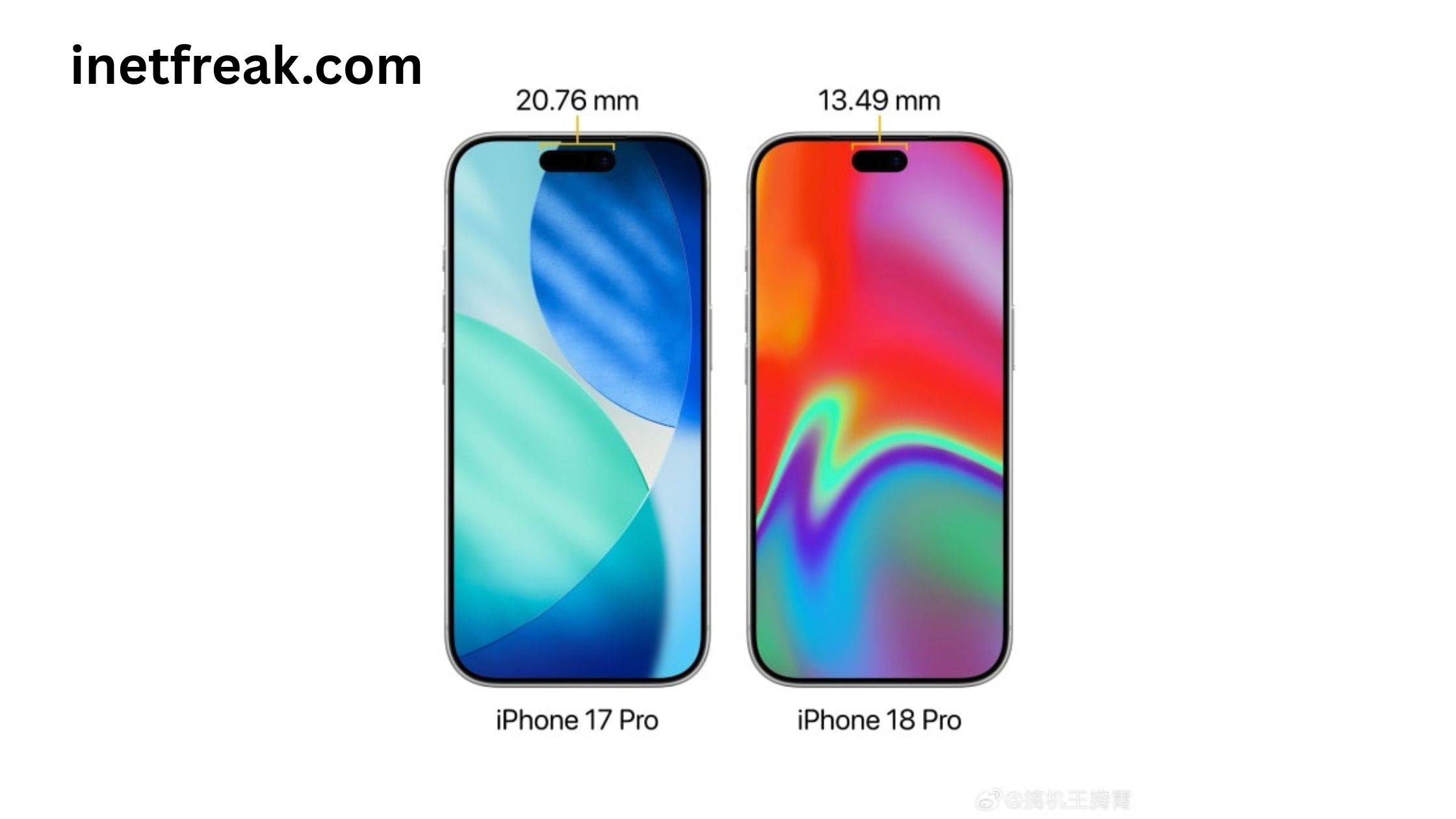
3) Apple iPhone 18 Series (iPhone 18 / 18 Pro)
Apple’s approach emphasizes privacy and on-device processing wherever possible. By 2026, iPhone 18 models are expected to deliver deeper on-device assistant actions across messages, mail, notes, and system controls, with a strong focus on secure processing.
- On-device highlights: On-device text rewriting, summarization in supported apps, voice actions with more natural context handling, and secure local processing for sensitive tasks.
- Why it fits India: Strong resale value, long software support window, and reliable performance for video creators.
- Best for: iOS users, privacy-focused buyers, and people invested in Apple’s ecosystem.
4) OnePlus 14 (and OnePlus 14 Pro, if available)
OnePlus has increasingly focused on performance + practical AI, especially for productivity and communication. In India, OnePlus often hits a sweet spot between flagship experience and aggressive pricing, making it a compelling AI-phone choice in 2026.
- On-device highlights: Smart text tools, meeting/call notes, AI search within the device, and system-level assistant actions integrated into OxygenOS.
- Why it fits India: Strong brand presence online and offline, fast charging, and smooth daily performance.
- Best for: Power users who want speed, clean software, and useful AI without the highest flagship cost.
5) Xiaomi 16 Series (Xiaomi 16 / 16 Pro)
Xiaomi’s flagship series is expected to bring top-tier chipsets and a big focus on on-device AI for imaging, translation, and productivity. Xiaomi often pairs strong hardware with feature-rich software, which can be ideal for users who like customization.
- On-device highlights: AI image editing and object removal, offline translation packs (where supported), smart summaries, and device-wide search enhancements.
- Why it fits India: Competitive pricing for flagship hardware and broad availability.
- Best for: Users who want premium specs and strong AI camera tools.
6) vivo X Series 2026 Flagship (X200/X300 Series Equivalent)
vivo’s high-end X series typically excels in camera hardware and portrait processing. For 2026, vivo is expected to keep leaning into on-device AI for photography, enhancement, and smart capture workflows that reduce editing time.
- On-device highlights: Portrait enhancement, intelligent scene understanding, AI-based stabilization, and quick edit suggestions that can run locally for speed.
- Why it fits India: Strong offline retail reach and camera-first positioning that appeals to social creators.
- Best for: Photography lovers and users who want AI to improve shots automatically.
7) OPPO Find X Series 2026 Flagship (Find X Equivalent)
OPPO’s premium line is expected to expand on-device AI in imaging and productivity, with a focus on polished user experience and fast, reliable performance. OPPO often blends hardware and software for smoother camera-to-share workflows.
- On-device highlights: On-device photo enhancement, smart retouch tools, AI writing aids, and assistant-driven shortcuts.
- Why it fits India: Strong service coverage and robust retail presence.
- Best for: Users who want premium design, strong cameras, and easy-to-use AI features.
8) Nothing Phone (3) / 2026 Flagship Line
Nothing’s appeal is its clean software and distinctive design language. In 2026, the brand is expected to refine assistant-like interactions across the OS—helping users act faster, organize notifications, and search content more naturally.
- On-device highlights: Lightweight on-device smart tools, OS-level productivity shortcuts, and cleaner AI experiences that don’t feel cluttered.
- Why it fits India: Strong community-driven adoption and a balanced feature set for the price.
- Best for: Buyers who want a modern Android feel with practical smart features.
Key On-Device AI Assistant Features to Look For
Not all “AI phones” deliver the same value. Before buying, check which features are actually on-device and how well they work with Indian usage patterns (calls, WhatsApp-style messaging, bilingual typing, and mixed connectivity).
1) Offline Summaries and Smart Notes
Look for local summarization for recordings, meeting notes, long messages, webpages, or PDFs. This is one of the most useful AI features for students and professionals who need quick takeaways.
2) Voice Typing, Transcription, and Call Notes
On-device transcription is faster and more private. If you take many calls or record lectures, prioritize models known for accurate dictation and speaker handling.
3) Natural Language Device Search
The best AI assistants can find content across your phone: “Show me the screenshot with the train ticket,” “Find the PDF Rahul sent last week,” or “Open the note where I wrote the grocery list.” This feature saves time daily.
4) On-Device Translation and Bilingual Support
In India, bilingual workflows are common. Check for robust on-device translation packs and keyboard support for Hinglish and regional languages where available.
5) AI Photo and Video Editing That Runs Locally
Object removal, background blur fixes, glare reduction, and quick enhancements feel far better when they run on-device—especially when you’re editing on the go.
How to Choose the Best 2026 AI Smartphone in India
- Prioritize the NPU and RAM: More capable AI acceleration and sufficient RAM help on-device assistants run smoothly and handle larger models.
- Check update policy: AI features improve over time. Choose brands with strong OS and security update commitments.
- Confirm what works offline: Some “AI” features still require cloud processing. If privacy and low-connectivity support matter, verify on-device capability.
- Look at ecosystem fit: If you use Windows, Android tablets, or smartwatches, pick a phone that integrates well with your devices.
- Consider heat and battery efficiency: On-device AI can be demanding. Efficient chipsets and good thermal management matter for sustained use.
Who Should Buy an On-Device AI Smartphone in 2026?
These phones make the most sense if you frequently handle long messages and documents, attend meetings/classes, create content, or want faster and more private assistant actions. If your phone is mostly for basic social apps, you can still enjoy AI camera tools—but the bigger value comes from productivity and organization features that run locally.
FAQs
Which is the best AI smartphone in India in 2026 for on-device assistant features?
If you want the most assistant-forward Android experience, the Google Pixel 10 series is typically the safest bet. For a feature-rich flagship with wide availability and a polished productivity suite, the Samsung Galaxy S26 series is a strong alternative. The “best” choice depends on whether you prefer clean Android (Pixel) or a broader toolkit and ecosystem (Samsung).
Do on-device AI assistants work without internet in India?
Many features can work offline in 2026, such as certain voice typing models, basic summaries, device search, and some translation packs. However, advanced or large-model features may still require internet depending on brand and settings. Always check which features are explicitly labeled “on-device” in your region.
Are on-device AI smartphones more private than cloud-based assistants?
Generally yes. When processing happens on the phone, fewer requests are sent to external servers, which can reduce exposure of sensitive data. That said, privacy also depends on the brand’s policies, permissions, and whether you opt into cloud processing for certain actions.
What specs matter most for on-device AI performance?
Look for a modern flagship or upper-midrange chipset with a strong NPU, at least 8GB RAM (12GB+ is preferable for heavy multitasking), fast storage, and good thermal performance. Software support is just as important, because AI features are often improved through updates.
Will on-device AI features drain battery quickly?
They can if you run heavy tasks continuously (long transcription sessions, repeated video enhancement, or frequent summaries). Newer chipsets and NPUs are designed to be efficient, so occasional assistant use typically has a modest impact. Choosing a phone with a larger battery and good thermal management helps maintain consistent performance.