Apple is reportedly preparing its biggest MacBook Pro redesign in years, and if early details are accurate, the upgrade could dramatically change how the company’s professional laptop looks and works. According to sources tracking Apple’s internal roadmap, the next major MacBook Pro refresh is expected to arrive in late 2026 or 2027.
Notably, this would be the first major visual and functional overhaul since 2021. Instead of focusing solely on faster Apple Silicon chips, Apple appears ready to rethink the MacBook Pro’s display technology, interaction methods, and overall design philosophy.
Here’s everything we know so far about the rumored new MacBook Pro features.
1. OLED Display Replacing Mini-LED
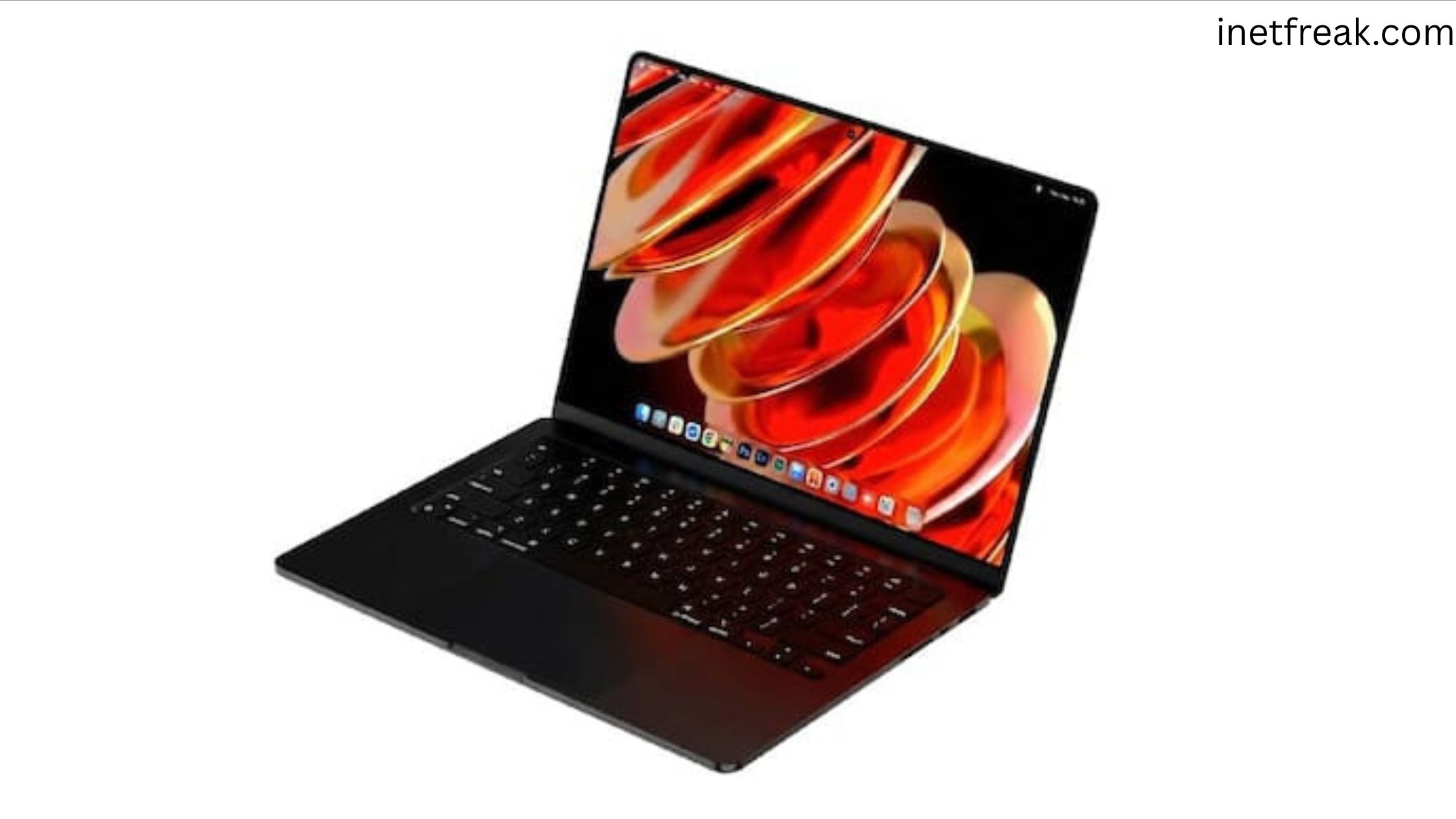
The most significant upgrade is expected to be the shift from mini-LED LCD panels to OLED displays. Apple already uses OLED technology in several premium products, including the iPhone, Apple Watch, and iPad Pro, but the Mac lineup has so far remained on LCD-based technology.
Moving to OLED would bring several advantages. Users could see deeper blacks, higher contrast ratios, and more vibrant colors, which would be especially beneficial for photographers, video editors, and designers. OLED panels also allow for more precise pixel-level lighting, improving HDR performance and visual consistency.
For many professionals, this change alone could make the future MacBook Pro far more appealing.
2. Touchscreen Support on MacBook Pro
Another major rumored feature is touch input support. Apple is reportedly testing MacBook Pro displays that allow users to interact directly with the screen, rather than relying only on the keyboard and trackpad.
This would mark a significant philosophical shift for Apple. Former co-founder Steve Jobs famously dismissed touchscreens on Macs, citing ergonomic concerns. However, that stance dates back many years. Since then, iPads have gained keyboard and trackpad support, while macOS has adopted iPad-like UI elements.
As the line between iPadOS and macOS continues to blur, a touch-enabled MacBook Pro may now make practical sense—especially for creative workflows and quick interactions.
3. A Notch-Free Display Design
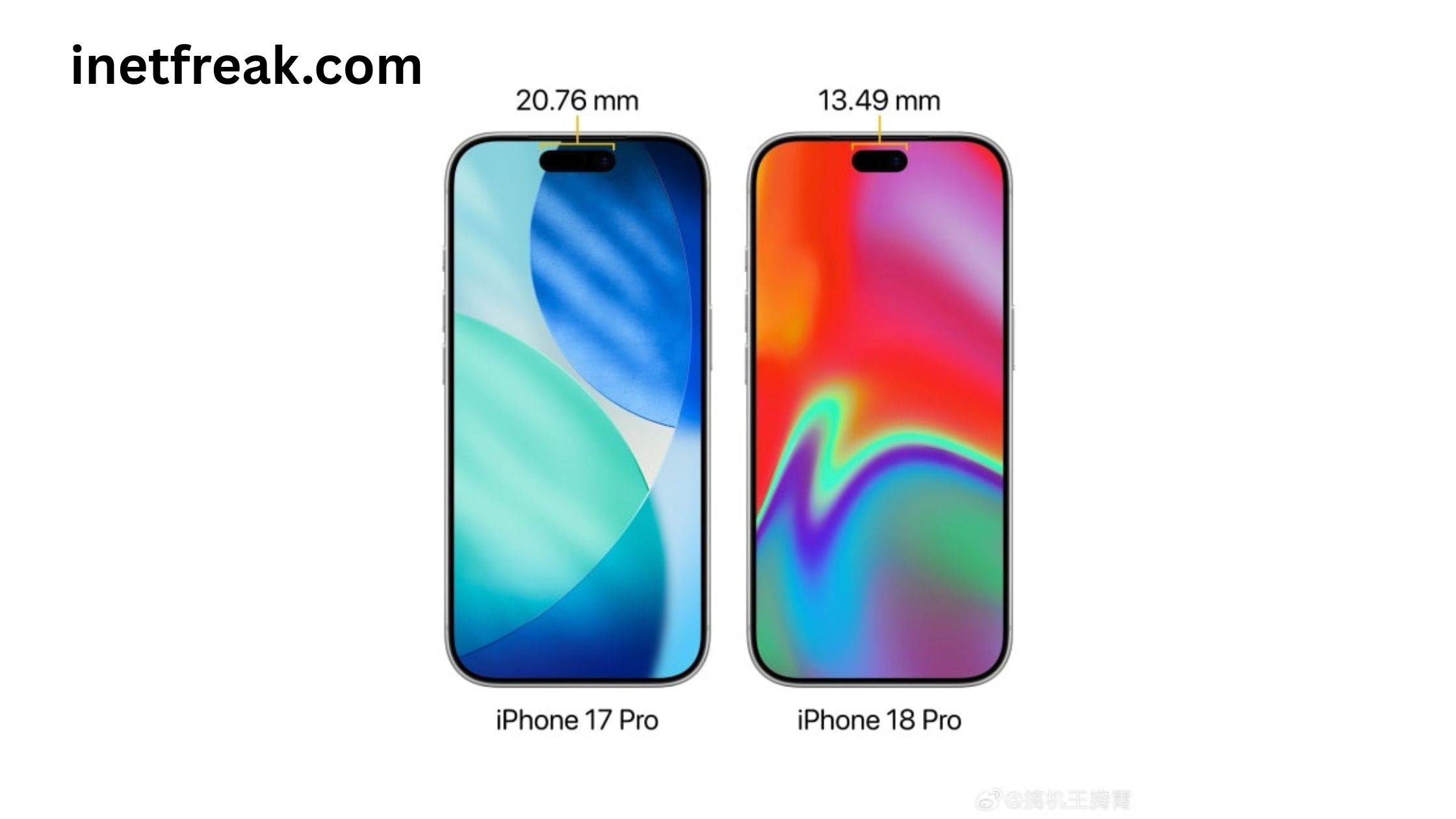
Apple may also be planning to eliminate the notch from the MacBook Pro display. According to Bloomberg’s Mark Gurman, future models could adopt a hole-punch camera design instead.
This change would free up more usable screen space and create a cleaner visual experience. Many users have adjusted to the notch since its introduction, but its removal would still be a welcome refinement for professionals who rely on maximum screen real estate.
4. Dynamic Island-Style Interface on macOS
With a hole-punch camera, Apple could introduce a Dynamic Island-style area at the top of the MacBook Pro display—similar to what already exists on iPhones.
On a Mac, this space could be used to show system alerts, background activity, recording indicators, or live processes without interrupting workflows. It could also make better use of previously unused display areas, blending hardware and software in a more seamless way.
5. A Clearer Distinction From Previous Generations
Since 2021, MacBook Pro updates have largely focused on chip upgrades rather than design changes. A notch-free OLED display with touch support would finally give users a visually distinct reason to upgrade, beyond performance gains.
This would signal a shift back toward bold hardware changes, something Apple has traditionally done every few years to reset its product identity.
6. A Broader Evolution of macOS and Mac Hardware
Taken together, these rumored features suggest Apple is rethinking what a Mac can be. OLED displays, touch input, and Dynamic Island-style UI elements point toward a future where macOS and iPadOS continue to converge, even if they remain separate platforms.
While Apple has not confirmed any of these changes, the consistency of reports indicates that a major transformation is at least under consideration.
What This Means for MacBook Pro Users
If the rumored 2026–2027 MacBook Pro redesign materializes, it could be one of the most significant updates in the product’s history. Professionals could benefit from improved visuals, more intuitive interaction, and a cleaner, more modern design.
Until Apple makes an official announcement, these details should be treated as informed speculation. Still, expectations are clearly building for a MacBook Pro that does more than just run faster—it may look and feel entirely new.