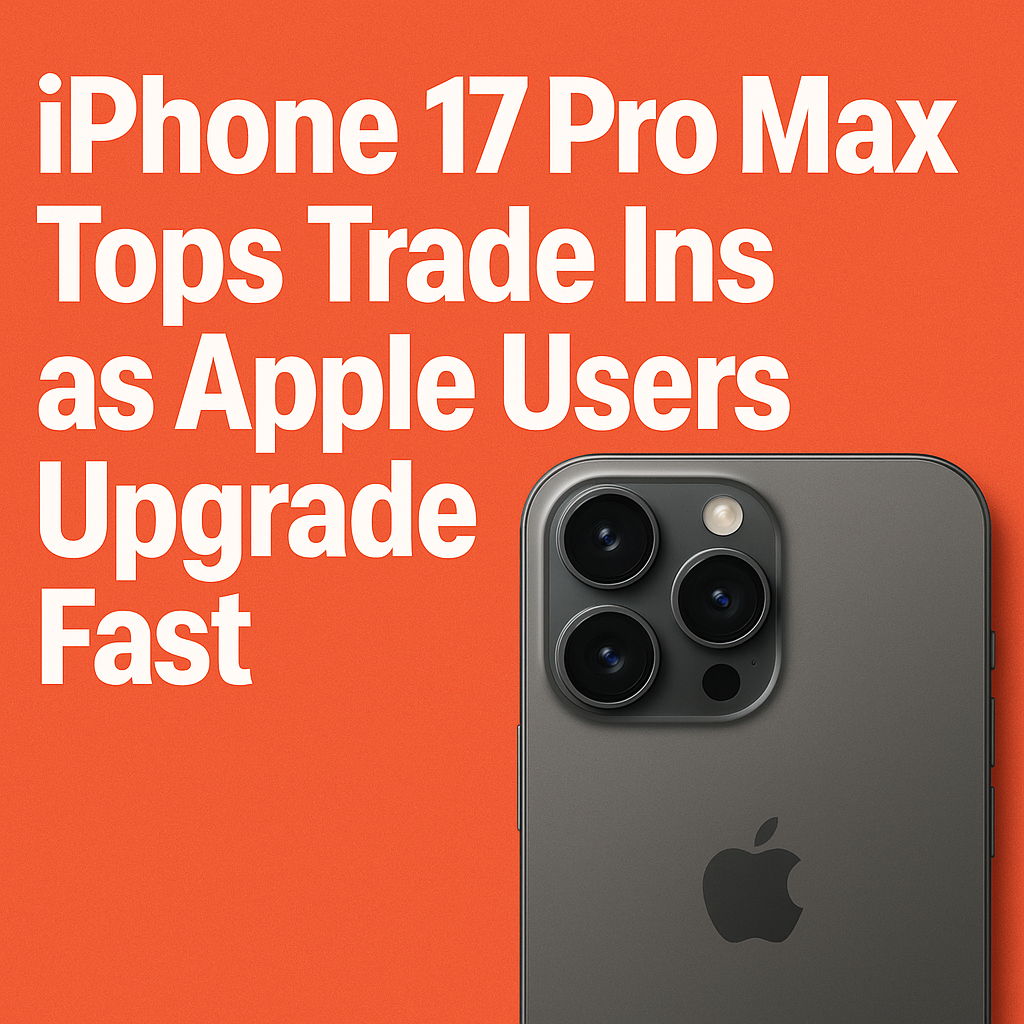
The iPhone 17 Pro Max is quickly becoming the most traded-in device in Apple’s lineup as iPhone users upgrade faster than ever. Whether driven by better carrier incentives, stronger resale values, or the appeal of Apple’s latest flagship features, the upgrade cycle is tightening. For shoppers, that means more opportunities to save through trade-in programs—and for Apple, it signals a customer base increasingly comfortable treating iPhones like annual (or near-annual) upgrades instead of long-term purchases.
iPhone 17 Pro Max Leads Trade-Ins: What’s Happening?
Trade-in data from major retailers, carriers, and buyback platforms increasingly points to the same trend: premium models dominate trade-in volume, and the iPhone 17 Pro Max sits at the top of that pile. While older devices still make up a meaningful share of trade-ins, the biggest surge is coming from recent Pro and Pro Max owners moving up to the newest top-tier model.
This isn’t just about people wanting the “best iPhone.” The iPhone 17 Pro Max is positioned as the most desirable upgrade target because it typically carries Apple’s best camera system, the largest display, and the highest storage configurations—features that retain value well and make trade-in upgrades feel more justifiable.
Why trade-ins matter more than ever
Trade-ins have shifted from a nice-to-have discount to a primary purchasing strategy. Many buyers now see the true cost of an iPhone as the purchase price minus the trade-in value. That calculation pushes users toward frequent upgrades, especially when they can lock in strong credits early in a product cycle.
Why Apple Users Are Upgrading Faster
Several forces are compressing the iPhone upgrade cycle. Some are consumer-driven (desire for new features), while others are market-driven (carrier offers, financing, and resale economics). Together, they make upgrading to the iPhone 17 Pro Max feel less like a splurge and more like a planned refresh.
1) Aggressive carrier promotions and bill credits
Carriers often provide the biggest incentives at launch, particularly for premium devices like the iPhone 17 Pro Max. Bill credits spread over 24–36 months can make the monthly cost appear low, even if the total commitment is substantial. Many users trade in a device that still has high market value, which maximizes the credit they receive.
2) Strong resale value for Pro and Pro Max iPhones
Pro Max models historically hold value better than standard models, largely due to higher demand and premium specifications. That resale strength makes it easier for owners to justify upgrading quickly: the device they trade in is still worth enough to meaningfully reduce the price of the next one.
3) Financing normalized the annual upgrade mindset
Zero-interest installment plans, Apple Card Monthly Installments, and carrier financing have made it common to think in monthly payments rather than full price. When the iPhone 17 Pro Max is framed as a monthly cost offset by trade-in credits, many users feel comfortable upgrading sooner.
4) Camera and display improvements drive “noticeable” upgrades
For many shoppers, the camera system is the most tangible reason to upgrade. Pro Max models often bring the most advanced imaging features, which can make the jump feel substantial even if last year’s phone still runs smoothly. Similarly, battery endurance and display refinements are everyday benefits users can feel immediately.
What Makes the iPhone 17 Pro Max the Top Trade-In Target?
Even within a lineup of strong iPhones, the Pro Max tier attracts a particular kind of buyer: someone who wants the largest screen, the most battery life, and the fullest feature set. That makes the iPhone 17 Pro Max a common “destination device” for upgrades coming from older iPhones and even from last-generation Pro models.
Premium positioning boosts demand
When consumers trade in, they often want the upgrade to feel “worth it.” The Pro Max branding signals the most premium option, so the psychological difference between “upgrading” and “just replacing” becomes clearer. For users already spending money, going for the top tier can feel like the most efficient decision.
High trade-in values concentrate around recent flagship models
Most trade-in programs offer the best value for devices that can be resold quickly and reliably. Recent Pro and Pro Max models are in that sweet spot: modern enough to meet broad demand and valuable enough to generate substantial credits.
Where iPhone 17 Pro Max Trade-Ins Are Happening Most
Not all trade-in channels are equal. The best option depends on your priorities—maximum value, convenience, speed, or flexibility. iPhone 17 Pro Max trade-ins tend to cluster in the channels that offer the biggest promotional boosts.
Carrier trade-ins: the highest promo credits (with strings attached)
Carriers frequently offer the largest trade-in credits toward a new iPhone 17 Pro Max, but the “catch” is usually a long commitment. Credits are often applied over time, and switching carriers early can reduce the value you receive. This route can be excellent if you plan to stay put and want the lowest monthly cost.
Apple Trade In: streamlined and predictable
Apple’s trade-in program prioritizes ease and reliability. Values may be slightly lower than the best limited-time carrier deals, but the process is straightforward, works well with Apple Store purchases, and is often preferred by buyers who want minimal friction.
Retailers and buyback platforms: flexible cash offers
Retail chains and online buyback services can be competitive, especially when they run bonus events. Some provide instant store credit; others pay cash after inspection. This approach is useful if you want flexibility—like buying unlocked—or if you plan to shop across multiple stores for the best iPhone 17 Pro Max deal.
Tips to Maximize Your iPhone 17 Pro Max Trade-In Value
If the iPhone 17 Pro Max is topping trade-ins, it’s because users are increasingly strategic about timing and condition. Small decisions can significantly affect your final offer.
- Trade in early: Values are often strongest near launch when demand is highest and promotions are most aggressive.
- Keep the phone in excellent condition: Cracks, camera issues, and battery problems can sharply reduce offers or trigger re-quotes.
- Use your original accessories wisely: Most programs don’t require accessories, but having the box and cable can help in private resale.
- Compare channels: Check Apple Trade In, your carrier, major retailers, and reputable buyback sites before committing.
- Consider unlocked vs. carrier-locked economics: Carrier promos can be larger, but unlocked purchases can preserve flexibility and long-term value.
- Back up and wipe properly: A clean handoff prevents delays and protects your personal data.
What This Trend Means for the iPhone Upgrade Cycle
The iPhone 17 Pro Max leading trade-ins suggests Apple’s premium segment is thriving. Instead of buyers keeping phones for four or five years, more are rotating through devices faster—especially those who prefer top-tier models and take advantage of financing or bill credits.
This shift impacts everything from inventory planning to the resale market. A steady flow of lightly used Pro devices increases availability of refurbished iPhones, which can make entry-level Apple ownership more accessible. It also encourages Apple and carriers to continue offering attractive trade-in packages because the pipeline of high-quality used devices supports secondary market demand.
The refurbished and secondhand market grows stronger
When more people trade in newer phones, the result is more recent models in refurbished channels. That can lower prices for buyers who don’t need the newest iPhone 17 Pro Max but still want premium performance. Over time, this strengthens Apple’s broader ecosystem by keeping more users on iOS through multiple price tiers.
Upgrade timing becomes a competitive game
As trade-ins become more central, timing matters. Promotions rise and fall, and trade-in values can shift with inventory levels and demand. Many users now plan their upgrade around expected deal windows rather than waiting for a phone to “feel old.”
Should You Trade In or Sell Privately?
With iPhone 17 Pro Max trade-ins surging, many users wonder whether trade-in convenience is worth it compared to selling their old iPhone on their own. The answer depends on your risk tolerance and how much time you want to spend.
Trade-in makes sense if you value simplicity
Trade-in programs are fast, structured, and generally low risk. You’ll typically get a clear quote and a predictable workflow. If your priority is getting the iPhone 17 Pro Max with minimal hassle, trade-in is often the best approach.
Private sale can pay more, but requires effort
Selling directly to another buyer can yield a higher price—especially for Pro and Pro Max models in great condition. However, it also brings negotiation, potential scams, shipping logistics, and buyer disputes. For many upgraders, the extra cash isn’t worth the added friction.
How to Prepare Your iPhone for Trade-In
Before handing over your old device, a few steps can protect your data and prevent value reductions due to setup errors.
- Back up to iCloud or a computer so your data transfers smoothly to the iPhone 17 Pro Max.
- Sign out of Apple ID and disable Find My iPhone to avoid activation lock issues.
- Erase all content and settings for a clean trade-in inspection.
- Remove your SIM (if applicable) and keep it safe.
- Clean the device gently to present it well and help inspection go smoothly.
Conclusion: The iPhone 17 Pro Max Trade-In Wave Is a Sign of Changing Habits
The iPhone 17 Pro Max topping trade-ins highlights a growing reality: Apple users are upgrading faster, and trade-in value is now a cornerstone of the buying decision. With strong incentives, solid resale demand, and a culture of planned upgrades, the iPhone is increasingly treated as a device you cycle through rather than keep indefinitely. If you’re considering the iPhone 17 Pro Max, comparing trade-in channels and timing your purchase strategically can make a noticeable difference in what you pay.
FAQs
Why is the iPhone 17 Pro Max the most traded-in iPhone?
It’s the most desirable upgrade destination for many buyers seeking Apple’s biggest screen and most premium features, and it’s often paired with the strongest launch promotions. That combination increases trade-in volume as users upgrade sooner.
When is the best time to trade in an iPhone for the iPhone 17 Pro Max?
Trade-in values and carrier promotions are often strongest near launch and during major seasonal deal periods. Trading in while your current phone is still relatively new typically yields higher offers.
Do carrier trade-in deals really save money on the iPhone 17 Pro Max?
They can, especially if you keep the plan for the full credit period. The savings usually come as monthly bill credits, so leaving early can reduce the total value you receive.
Is Apple Trade In better than selling my iPhone myself?
Apple Trade In is usually easier and more predictable. Private sales can bring higher payouts, but they require more time, carry more risk, and involve logistics like messaging, shipping, and payment handling.
What reduces my iPhone trade-in value the most?
Cracked screens, camera issues, water damage, and failure to disable activation lock can significantly reduce offers or prevent trade-in completion. Keeping your device in good condition and preparing it properly helps protect its value.