Elon Musk has never been one to think small, but his latest comments take ambition to an entirely new level. Just days after floating the idea of a futuristic form of “immortality” through artificial intelligence and space exploration, the Tesla and SpaceX CEO has now suggested that aging itself could one day be solved, slowed, or even reversed.
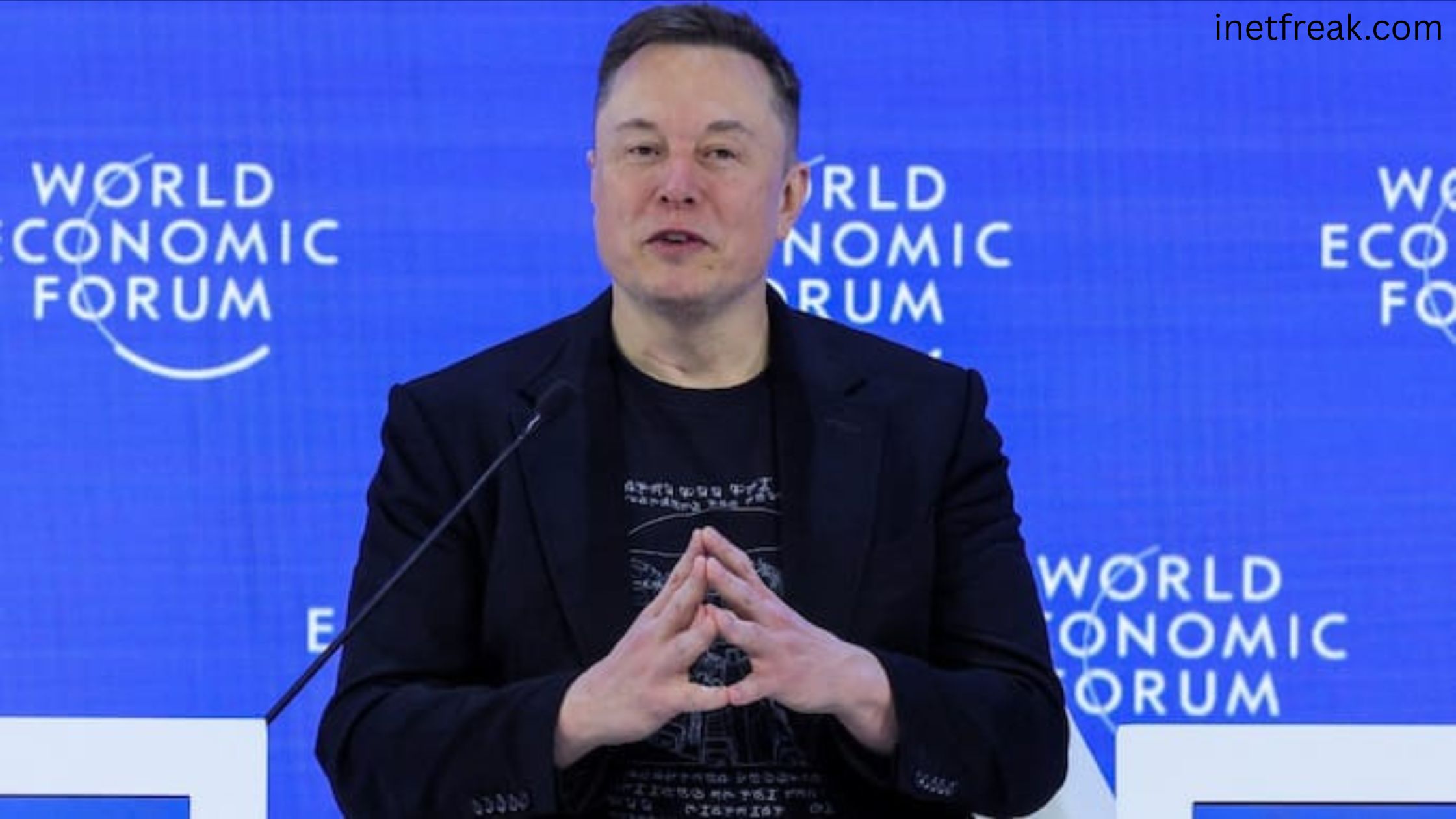
Speaking at the World Economic Forum (WEF) in Davos, Musk described aging as a scientific problem—one that humanity will eventually understand and overcome. His remarks have reignited global discussions around longevity, biotechnology, and the future of human life.
Elon Musk on Aging: “A Problem Science Will Figure Out”
During a conversation with BlackRock CEO Larry Fink, Musk challenged the long-held belief that aging is an unavoidable and mysterious process. According to him, growing old is not some unknowable force of nature but rather a biological issue with an underlying cause.
Musk suggested that once scientists identify the root mechanisms behind aging, addressing it could become relatively straightforward. While he did not provide technical details or timelines, his confidence alone was enough to capture widespread attention.
Coming from someone who has disrupted industries ranging from electric vehicles to space travel, Musk’s comments carried weight—even if they remain firmly in the realm of future possibility.
Timing Matters: Immortality, AI, and Space
What made Musk’s statement particularly striking was its timing. Only days earlier, he had sparked intense online debate by discussing a very different form of immortality—one that has nothing to do with staying young or healthy.
That idea emerged on X (formerly Twitter) during a discussion about Grokipedia, a proposed AI-powered knowledge platform being developed by Musk’s artificial intelligence company, xAI.
The concept is bold but simple: people could upload their life stories, memories, experiences, and personal knowledge into a vast digital archive. Over time, copies of this information could be preserved and even sent into space—to the Moon, Mars, or beyond—ensuring that human experiences survive long after individuals are gone.
Digital Immortality vs Biological Longevity
Musk’s recent comments highlight two very different approaches to immortality. One is digital, focused on preserving human knowledge and consciousness in data form. The other is biological, aimed at extending or reversing the aging process itself.
While digital immortality relies on AI, data storage, and space exploration, biological longevity depends on breakthroughs in genetics, cellular repair, and medical science. By discussing both within days of each other, Musk has positioned himself at the center of humanity’s most ambitious existential questions.
Can humans live forever biologically?
Or, if not, can we at least preserve who we were?
Why Musk’s Aging Comments Matter
The idea of reversing aging is not new, but Musk’s influence brings renewed visibility to the topic. His comments arrive at a time when longevity research, anti-aging therapies, and AI-driven medical discoveries are advancing rapidly.
Many scientists already study aging as a disease-like process, focusing on cellular damage, DNA mutations, and metabolic decline. Musk’s framing aligns with this growing view—that aging is a solvable engineering problem rather than an inevitable fate.
Even without concrete solutions today, such statements can shape research priorities, funding, and public interest in longevity science.
Skepticism and Reality Check
Despite the excitement, it is important to note that Musk did not claim aging reversal is imminent. He offered no roadmap, no timeline, and no evidence that such breakthroughs are close. His comments were aspirational, reflecting belief rather than proof.
Still, Musk’s track record of pushing boundaries—often ahead of scientific consensus—means his ideas are rarely ignored, even when they seem far-fetched.
Looking Ahead
Whether through AI-powered digital archives or future medical breakthroughs, Elon Musk continues to challenge how humanity thinks about life, death, and time itself. His belief that aging can someday be solved may sound radical, but it fits squarely within his long-standing vision of a future where technology removes fundamental human limitations.