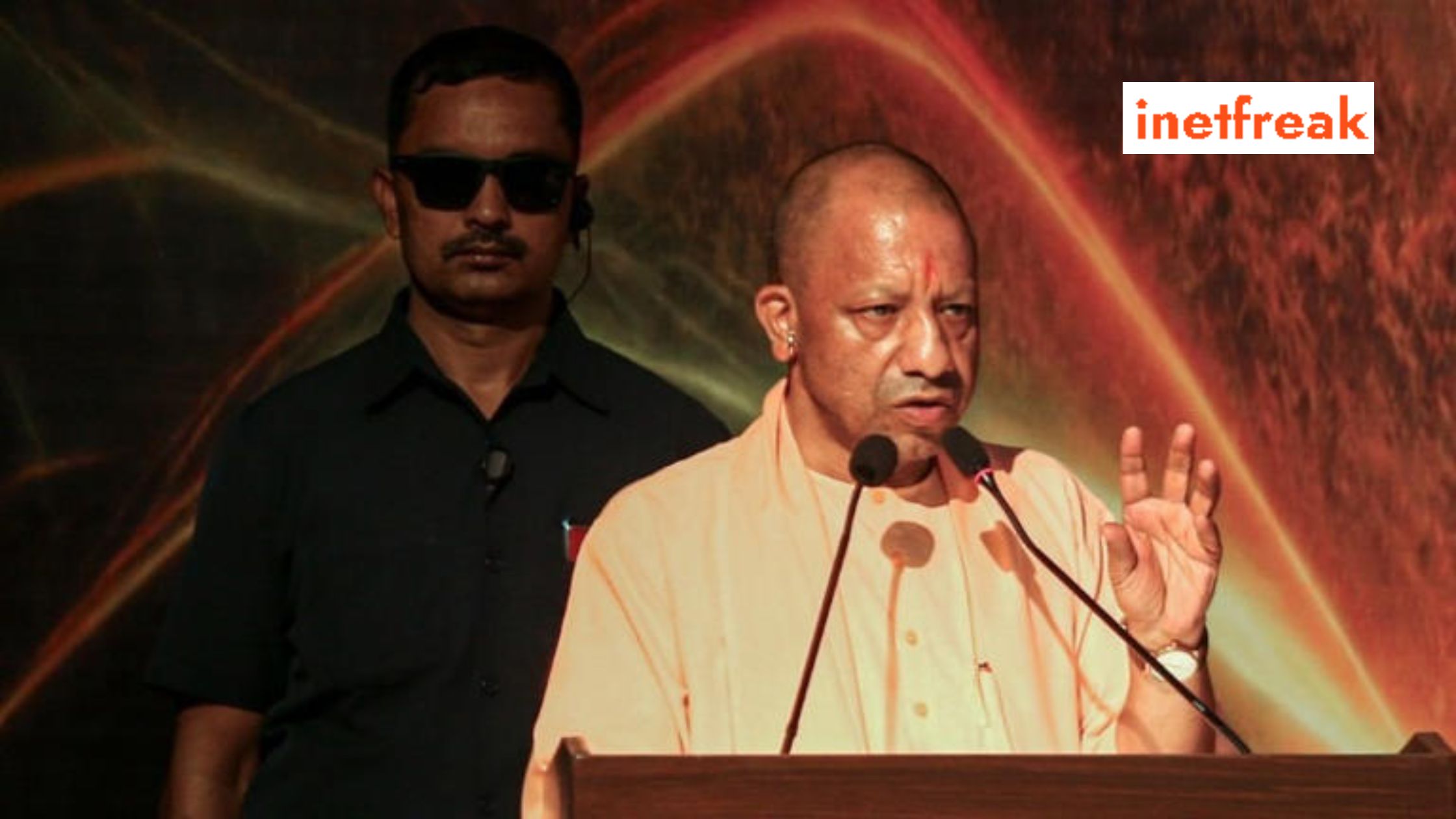
Uttar Pradesh Chief Minister Yogi Adityanath has once again sparked a major political and social debate after issuing a strong warning against the practice of offering namaz on roads and public intersections.
Speaking during an event in Lucknow, the BJP leader stated that roads are meant for public movement and should not be blocked for religious gatherings or prayers. The Chief Minister stressed that his government would first attempt to ensure compliance through persuasion but warned that stricter measures could follow if people failed to cooperate.
The statement quickly triggered nationwide reactions, with supporters praising the emphasis on public order and critics questioning whether similar standards are applied uniformly to all religious activities.
Yogi Adityanath’s remarks have once again brought attention to larger discussions around:
- Public religious gatherings
- Law and order
- Use of public spaces
- Religious freedom
- Traffic disruption
- Political polarisation
The controversy has also reignited debates around governance, secularism, and the balancing act between constitutional freedoms and administrative control.
Here’s a detailed look at what Yogi Adityanath said, the political reactions that followed, why the issue has become sensitive, and how public religious gatherings continue shaping political discourse in India.
What Yogi Adityanath Said About Namaz on Roads
During his address in Lucknow, Yogi Adityanath strongly stated that roads cannot be used for offering namaz if it disrupts public movement.
The Uttar Pradesh Chief Minister said:
“You have to offer namaz, you can read it during your shift. We will convince you with love, and if that does not work, another method will be adopted.”
The statement immediately went viral across social media platforms and news channels.
Yogi Adityanath also shared the video of his speech on X (formerly Twitter), further amplifying public attention around the issue.
‘Roads Are Meant for Movement’
Yogi’s Argument on Public Spaces
The Chief Minister emphasised that roads are public infrastructure meant for:
- Commuters
- Workers
- Patients
- Traders
- Emergency services
- Daily transportation
According to him, no individual or group has the right to obstruct public movement.
He said:
“Roads are meant for movement. Can anyone come and create a spectacle on a crossroads and block traffic?”
The statement reflects the Uttar Pradesh government’s broader focus on maintaining law and order in public spaces.
‘We Will Not Stop Namaz’
Yogi Clarifies Government Position
Despite the strong warning, Yogi Adityanath clarified that the government is not against religious practices themselves.
He stated:
“We will not stop namaz, but it should not happen on roads.”
The Chief Minister argued that religious activities should take place in designated spaces without causing inconvenience to the general public.
This distinction became a central point in the debate.
Supporters argued that the issue is about public order rather than religion.
Critics, however, accused the government of selectively targeting specific communities.
Why the Issue of Namaz on Roads Becomes Controversial
Public Order vs Religious Freedom
The controversy surrounding namaz on roads is not new.
Over the years, several Indian states have witnessed debates around:
- Friday prayers in open spaces
- Traffic disruptions during festivals
- Religious processions
- Public gatherings
- Administrative permissions
The issue often becomes politically sensitive because it intersects with constitutional rights and public administration.
Supporters of restrictions argue:
- Public spaces should remain accessible to everyone
- Traffic disruptions affect daily life
- Religious gatherings need designated areas
Opponents argue:
- Religious freedom should be protected
- Public spaces are used by multiple communities during festivals
- Rules should apply equally to all groups
AIMIM Reacts to Yogi Adityanath’s Statement
Asim Waqar Raises Questions
The statement drew immediate criticism from opposition voices and community representatives.
An AIMIM spokesperson, Asim Waqar, questioned whether similar standards are applied to all religious activities.
He reportedly said:
“If namaz cannot be offered on the road then why close the road for puja aarti?”
Waqar further alleged that the Uttar Pradesh government views citizens through a religious lens.
The comments intensified the political debate around equal treatment of religious practices in public spaces.
The Political Context Behind the Remarks
Religious Gatherings and Electoral Politics
Public religious gatherings often become politically charged topics in India.
Political parties frequently position themselves differently on issues involving:
- Religious processions
- Loudspeakers
- Public prayers
- Festival restrictions
- Street gatherings
Yogi Adityanath’s statement is being viewed by many political analysts through the lens of broader national politics and governance narratives.
Supporters see the remarks as part of a strict law-and-order governance model.
Critics view them as politically polarising.
Yogi Adityanath’s Earlier Statements on Public Namaz
Not the First Time
This is not the first time Yogi Adityanath has spoken strongly against offering namaz on roads.
During previous election campaigns, including the 2026 West Bengal Assembly election period, the BJP leader criticised governments that allegedly allowed religious gatherings on public roads.
He had previously argued that:
- Roads should not be blocked for prayers
- Public order must remain a priority
- Administration should act uniformly
These statements have consistently generated major public and political reactions.
Public Reaction on Social Media
Supporters Back Strict Rules
Several social media users supported the Chief Minister’s remarks.
Common arguments from supporters included:
- Roads belong to everyone
- Traffic disruptions affect emergency services
- Religious practices should not inconvenience the public
- Law and order must be maintained equally
Some users praised the government’s focus on administrative discipline.
Critics Accuse Government of Double Standards
Debate Over Equal Treatment
At the same time, critics questioned whether restrictions are applied consistently across all religious activities.
Social media users pointed out:
- Roads are sometimes closed during festivals
- Processions across religions use public spaces
- Traffic diversions occur during multiple community events
The debate quickly became polarised online.
Hashtags related to the controversy began trending on X and other social platforms.
Public Religious Gatherings in India
A Long-Standing Administrative Challenge
India’s diversity means public religious events are extremely common.
These include:
- Eid prayers
- Ganesh processions
- Durga Puja celebrations
- Muharram processions
- Kanwar Yatra gatherings
- Christmas events
- Jagran programmes
Managing such gatherings becomes a major challenge for local administrations.
Authorities must balance:
- Religious freedom
- Public convenience
- Security concerns
- Traffic management
- Community sensitivity
Constitutional Perspective
Religious Freedom in India
The Indian Constitution guarantees freedom of religion under Article 25.
However, these rights are subject to:
- Public order
- Morality
- Health
- Administrative regulation
This means governments can regulate religious activities if they significantly disrupt public life or create security concerns.
Courts in India have also delivered various rulings regarding the use of public spaces for religious events.
Legal and Administrative Challenges
Permissions and Regulation
In many Indian cities, administrations require prior permission for:
- Public prayers
- Religious processions
- Gatherings on roads
- Loudspeaker usage
Authorities often impose conditions related to:
- Timing
- Route planning
- Crowd management
- Security arrangements
The enforcement of these rules can sometimes become politically controversial.
The Role of Social Media in Political Controversies
Statements Go Viral Instantly
One reason controversies escalate rapidly today is the role of social media.
Political speeches are now:
- Clipped instantly
- Shared widely
- Debated publicly
- Reinterpreted politically
This often amplifies polarisation.
Yogi Adityanath’s remarks spread across:
- X (Twitter)
- Instagram reels
- YouTube discussions
- Political debate shows
- WhatsApp forwards
within hours.
Governance and Public Discipline
Yogi Government’s Law-and-Order Image
The Uttar Pradesh government has consistently projected a strong law-and-order image under Yogi Adityanath.
Key areas frequently highlighted include:
- Encroachment removal
- Traffic discipline
- Crackdowns on illegal activities
- Public space regulation
- Administrative enforcement
Supporters argue that controlling road blockages is part of this broader governance model.
Opposition Criticism Intensifies
Political Reactions Continue
Opposition leaders and critics continue questioning whether similar action is taken against all forms of road blockages.
Some opposition voices argue that:
- Selective enforcement creates social tension
- Religious neutrality must be maintained
- Public inconvenience occurs during multiple festivals
The controversy has now evolved into a larger political discussion beyond just namaz on roads.
Why Public Space Debates Matter in Urban India
Growing Population and Congestion
India’s rapidly growing urban population has made public space management increasingly complex.
Cities already struggle with:
- Traffic congestion
- Encroachment
- Overcrowding
- Infrastructure pressure
Large gatherings can worsen these issues significantly.
This is why administrations across states often attempt to regulate public events more strictly.
Religious Harmony and Sensitivity
Why Language Matters
Political analysts note that language and tone become extremely important while addressing sensitive religious topics.
Statements related to religion can:
- Influence public sentiment
- Trigger emotional reactions
- Shape political narratives
- Impact community relations
This is one reason why such speeches attract intense media attention.
Media Coverage of the Controversy
National Debate Across Channels
The controversy dominated national news coverage.
Television panels debated:
- Freedom of religion
- Use of public spaces
- Administrative authority
- Political messaging
- Equality before law
Different media outlets framed the issue differently depending on editorial positioning.
This further deepened public debate.
Experts on Public Order and Religious Gatherings
Urban Governance Perspective
Urban governance experts believe public roads cannot remain permanently blocked for any activity.
However, they also stress the need for:
- Sensitive administration
- Equal enforcement
- Community dialogue
- Alternative arrangements
Experts argue that long-term solutions require cooperation between:
- Religious organisations
- Local authorities
- Community leaders
- Urban planners
The Challenge of Equal Enforcement
One Rule for Everyone?
One of the biggest issues raised during the debate is whether governments apply rules equally.
Critics often compare:
- Religious processions
- Festival gatherings
- Public prayers
- Political rallies
- Protest marches
Many believe consistency is essential to maintain public trust.
Political Messaging Ahead of Elections
Why Such Statements Gain Attention
Political communication around religious identity often becomes especially significant before elections.
Statements involving:
- Nationalism
- Religious identity
- Law and order
- Public discipline
frequently dominate political discourse.
Analysts believe these issues resonate strongly with voter bases across multiple states.
Public Infrastructure and Civic Responsibility
Shared Spaces Need Shared Responsibility
One argument emerging from the debate is that public infrastructure belongs to everyone.
This includes:
- Roads
- Footpaths
- Crossroads
- Public parks
Authorities often argue that any prolonged obstruction affects:
- Ambulances
- Daily commuters
- Businesses
- Students
- Public transport
This is why civic discipline remains a recurring governance issue.
Reactions From Civil Society
Mixed Responses
Civil society reactions have remained divided.
Some groups support stricter regulation of all road blockages.
Others believe governments should create:
- More designated public prayer spaces
- Better event management systems
- Equal enforcement mechanisms
The discussion has evolved into a larger debate about urban planning and public infrastructure management.
India’s Diversity and Administrative Complexity
Balancing Rights and Regulation
India’s social diversity makes governance uniquely challenging.
Administrations frequently need to balance:
- Cultural traditions
- Religious practices
- Constitutional rights
- Public convenience
- Security concerns
This balancing act becomes especially difficult in densely populated urban regions.
Social Media Polarisation Around the Issue
Hashtags and Viral Debates
Within hours of Yogi Adityanath’s speech, hashtags linked to the controversy began trending online.
Supporters praised:
- Administrative strictness
- Law-and-order focus
- Civic discipline
Critics highlighted:
- Alleged selective targeting
- Double standards
- Political polarisation
The debate reflected India’s deeply divided online political ecosystem.
Key Highlights
- Yogi Adityanath warned against offering namaz on roads
- He said roads are meant for public movement
- The UP CM stated namaz should not disrupt traffic
- He clarified the government is not banning prayers
- AIMIM criticised the remarks and questioned equal enforcement
- The controversy triggered nationwide political debate
- Social media reactions remained sharply divided
Expert Analysis
Political analysts believe the controversy reflects broader national conversations around:
- Religion and governance
- Public discipline
- Administrative authority
- Political messaging
- Constitutional freedoms
Experts note that such debates often become emotionally charged because they involve identity, faith, and civic rights simultaneously.
Many governance experts believe long-term solutions require:
- Clear public policy
- Uniform enforcement
- Community cooperation
- Better urban planning
Pros and Cons of Restricting Public Religious Gatherings on Roads
Pros
- Reduces traffic disruptions
- Improves emergency movement
- Supports public discipline
- Encourages organised event planning
- Helps maintain urban mobility
Cons
- May trigger allegations of selective enforcement
- Can become politically sensitive
- Risks community tensions if poorly handled
- Raises questions around religious freedom
FAQ SECTION
What did Yogi Adityanath say about namaz on roads?
Yogi Adityanath said roads are meant for public movement and should not be blocked for offering namaz.
Did Yogi ban namaz in Uttar Pradesh?
No. He clarified that the government is not stopping namaz but does not want prayers on roads.
Why is the issue controversial?
The issue involves debates around religious freedom, public order, traffic disruption, and equal treatment of religious activities.
What did AIMIM say about Yogi’s statement?
AIMIM spokesperson Asim Waqar questioned whether similar rules apply to other religious gatherings held on roads.
Why do governments regulate public religious gatherings?
Authorities regulate such events to manage traffic, security, crowd control, and public convenience.
Are public prayers allowed in India?
Yes, religious freedom is constitutionally protected, but public gatherings may be regulated for reasons related to public order and administration.
CONCLUSION
Yogi Adityanath’s latest remarks against offering namaz on roads have once again ignited a nationwide debate around religion, governance, and public order in India.
While supporters view the statement as a straightforward attempt to protect public movement and maintain civic discipline, critics argue that rules regarding public gatherings must be applied uniformly across all communities.
The controversy highlights a larger challenge facing modern India — balancing constitutional freedoms with the practical realities of urban administration and public infrastructure management.
As political reactions continue and social media debates intensify, one thing remains clear: discussions involving religion and public spaces are likely to remain highly sensitive and deeply polarising in India’s political landscape.
Ultimately, sustainable solutions may depend less on confrontation and more on dialogue, equal enforcement, administrative clarity, and mutual respect between communities and authorities.
Stay updated with the latest political, technology, business, and trending news only on Inetfreak.com