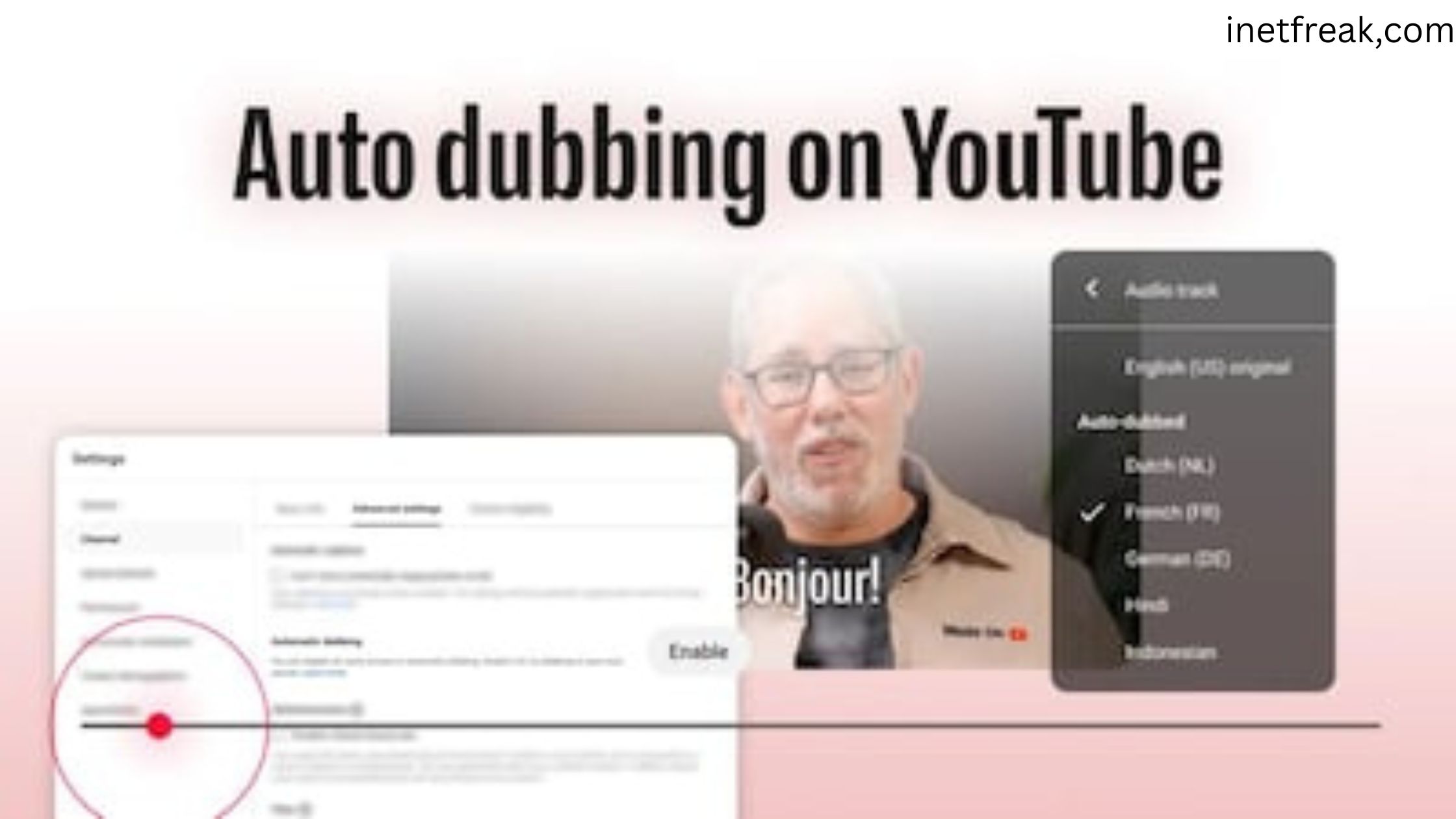
YouTube has officially expanded its AI-powered auto-dubbing feature to all users, marking a major step toward making content on the platform more accessible worldwide. Announced on Wednesday via a Google blog post, the feature now supports 27 languages and is available across all non-music videos, regardless of the channel size or category.
Originally unveiled as a pilot during VidCon 2023, YouTube’s auto-dubbing technology has evolved steadily. In 2024, it was limited to knowledge-based and informational videos, but with this latest update, the company has removed most restrictions, allowing creators and viewers alike to benefit from seamless language translation at scale.
What Is YouTube Auto-Dubbing?
YouTube’s auto-dubbing feature uses artificial intelligence to automatically transcribe, translate, and generate dubbed audio for videos in different languages. This allows viewers who do not understand the original spoken language of a video to consume the content in a language they are comfortable with.
Unlike traditional subtitles, auto-dubbing replaces the original audio with AI-generated speech in the selected language, creating a more immersive viewing experience—especially for users who prefer listening over reading captions.
Now Available to All Users and Channels
The most significant update is that auto-dubbing is now available to everyone, across all channels and supported regions. This means creators no longer need to be part of a pilot program or fall under a specific content category to enable the feature.
From educational videos and tutorials to vlogs and commentary, most non-music videos uploaded to YouTube can now be automatically dubbed, making it easier for creators to reach a global audience without manually translating or recording audio in multiple languages.
Support for 27 Languages
With this expansion, YouTube’s auto-dubbing now supports a total of 27 languages, dramatically increasing the amount of content viewers can access in their preferred language. This update is particularly impactful for users in non-English-speaking regions, as well as for creators looking to grow internationally.
As a result, videos uploaded in one language can now be consumed by audiences across multiple countries, helping bridge language barriers and democratize access to information and entertainment.
New Preferred Language Controls for Viewers
YouTube also acknowledged a key limitation in its earlier implementation. Previously, the platform automatically played dubbed audio based on the default language of a user’s account, which could be frustrating for multilingual users or those who prefer to watch content in its original language.
To address this, YouTube has introduced a new Preferred Language setting. This allows users to:
- Choose which language they want dubbed audio in
- Watch videos in their original language
- Turn auto-dubbing off completely
This added control makes the feature far more flexible and user-friendly, especially for viewers who switch between languages frequently.
Testing a New AI Lip Sync Feature
Alongside the auto-dubbing expansion, YouTube revealed that it is testing an AI-powered lip sync feature. This technology adjusts the speaker’s lip movements to match the translated audio, making dubbed videos appear more natural and immersive.
Similar features already exist on platforms like Instagram Reels and Facebook, and YouTube’s adoption of this technology could significantly improve the quality of AI-dubbed videos. While the lip sync feature is still in testing, it signals YouTube’s long-term commitment to advanced AI-driven localization tools.
What This Means for Creators and Viewers
For creators, YouTube’s expanded auto-dubbing feature removes one of the biggest barriers to global growth—language. Without additional cost or effort, creators can now reach viewers across different regions and cultures.
For viewers, this update means:
- More accessible content
- Less reliance on subtitles
- A smoother, more engaging viewing experience
Together, these changes position YouTube as one of the most globally inclusive video platforms on the internet.
Final Thoughts
YouTube’s decision to roll out auto-dubbing to all users with support for 27 languages is a major milestone in AI-powered content accessibility. With added language controls and upcoming lip sync enhancements, the platform is redefining how videos are consumed across borders.